While Santa Cruz’s beaches and redwood groves may be well-known to visitors, the county’s less frequented side streets hide more than a few overlooked gems. Veer off the beaten path, and you’ll discover Insta-worthy homes and picturesque surroundings hidden within quiet, tree-shaded enclaves. Check out the following neighborhood walks which combine scenery, history, and a peaceful slice of Santa Cruz life that’s pleasantly removed from busy tourist hubs.
Santa Cruz
Beach Hill, 1005 Third Street
Who knew that a city renowned for beach bungalows and surf shacks would hold an abundance of breathtaking Victorians, often tucked between its majestic palms? Let these self-guided walking tours published by the City of Santa Cruz lead the way. Stray a few blocks from the boutiques of Downtown’s Pacific Avenue, and you’ll be immersed in the leafy, Victorian-strewn paradise that is Walnut Avenue. Likewise, wander a couple of blocks from the Santa Cruz Beach Boardwalk, and discover the magical mansions of Beach Hill which include Alfred Hitchcock’s inspiration for Psycho, and Instagram fave, “the door to nowhere.” Perhaps even lesser known is Ocean View Avenue, a romantic, vintage-tinged thoroughfare with grand Victorians rising above park-size lots with mature trees, blooming gardens, and white picket fences. Make a day of it by picking up baked goods from The Buttery, and capping your stroll at adjacent Ocean View Park which overlooks the Boardwalk and Monterey Bay.
Capitola
Venetians in the Capitola Village
The infinitely charming town of Capitola rewards exploration with Neapolitan ice-cream colored beach cottages, hidden walkways, and a lakeside home-turned-restaurant reached by a mini, hillside tram. While you may be familiar with Capitola Beach’s vibrant Venetian cottages and Shadowbrook restaurant—which is deserving of its own walking tour—there are many more sites hidden throughout the seaside village. Follow this illustrated walking tour which features notable structures—many bearing an iconic blue plaque awarded by Santa Cruz Museum of Art & History’sHistoric Landmark Committee—and you’ll delight in finds such as The Windmill House (yes, with an actual windmill), the cute-as-a-button Pfister House, and oodles of secret pathways.
Watsonville
Tuttle Mansion
Renowned for its agricultural bounty and exceptional Mexican food, Downtown Watsonville is a treasure trove of striking architecture and fascinating tales from the city’s lengthy history. The atmospheric city center is crammed with ornate structures built during the turn of the 20th century including former hotels, theaters, and retail buildings that today sit on the National Register of Historic Places. Many buildings survived the destruction of the 1989 Loma Prieta earthquake thanks to William Weeks, a local architect who was committed to structurally sound buildings after he nearly perished in San Francisco’s 1906 quake. Plus, as buildings get repurposed, their origins and stories can become obscured, making them delightfully rewarding to rediscover. Highlights include the 19th-century Mansion House, the Art Deco-meets-Spanish Colonial Revival Fox Theater, and City Plaza which sits on a former Spanish era land grant. You’ll discover more structures and their histories with this walking tour guide published by the city, as well as this app-based guide created in commemoration of its recent 150th anniversary. For an additional historical treasure in Watsonville, hop in the car to the Tuttle Mansion at 723 E Lake Avenue. This impressive red Victorian is known to be a haunted piece of local history.
Please check before visiting for current operating status.
The Santa Cruz County you enjoy today didn’t spring up overnight. Behind its surfboard-filled shores lies a rich history of farming, timber, and, yep, surfing. Explore the many towns of Santa Cruz County—most founded in the mid-1800s— and you’ll discover numerous sites listed on the National Register of Historic Places and designated as a California State Historical Landmark. Offering the next best thing to time travel, the following historic spots will immerse you in a bygone era.
During the late 19th and early 20th centuries, coastal dairy ranches proliferated along the coast. Get a glimpse of that era at this still-functioning, historic, waterfront ranch. The scenic property stretches 7,000 acres—from sandy shores to inland foothills—but its focal point is a cluster of restored farm buildings set amidst idyllic vegetable gardens and apple orchards. Explore a blacksmith shop, vintage machine shop, stables, and the Wilder family’s grand Victorian homes. Check their calendar for regular Living History days where costumed docents bring the ranch to life with family-friendly activities including candle-making, weaving, and leather stamping.
It wasn’t just redwood logs that helped build burgeoning Bay Area cities during the 19th century. Lime extracted from limestone quarries served as an essential element for producing mortar and concrete. You can view the monumental remnants of this once budding industry within the Pogonip, a 640-acre hilltop nature preserve. Follow the Lime Kiln Trail into a redwood forest, and you’ll discover three massive stone furnaces—dramatically overgrown by moss and greenery—that processed the lime that helped build San Francisco.
It’s not all surf shacks in Santa Cruz. Just a short stroll from the contemporary shops of downtown Santa Cruz, you’ll find some of the city’s most elaborate Victorian homes along the charming, tree-lined Walnut Avenue. Marvel at impeccably restored 19th century Queen Annes, Italianates, and Colonial Revivals—some illuminated with flickering gas lamps. Thanks to the Museum of Art & History, nearly all are labeled with informative blue plaques which state the home’s name and date of construction. For more detail, download a hugely informative walking tour map from the City of Santa Cruz.
The historic logging towns of the San Lorenzo Valley brim with reminders of their 19th century past, the most notable of which is Felton’s famous covered bridge. Built between 1892-93, the wooden bridge once served as the sole entryway to the town of Felton. At 80-feet, it’s thought to be the tallest covered bridge in the U.S., and is one of few remaining in the state. Today, the bridge is closed to vehicle traffic, but welcomes pedestrians to stroll its lengthy expanse across the San Lorenzo River. Pack a picnic and bring the kiddos; the bridge fronts a small park with playground and picnic tables.
Hidden in the quiet, pastoral Larkin Valley, the Castro Adobe offers a peek of the region’s Mexican rancho days. Built between 1848-1850, the two-story adobe structure was home to the Castro family, and the many swinging fandangos for which they were known. Today, it’s one of four adobes remaining in Santa Cruz County—and the only one with two floors. While it continues to be restored, Friends of Santa Cruz State Parks offers free monthly events where the public is welcome to tour the adobe and grounds, and participate in themed activities. Just don’t leave without seeing the “historic” graffiti, carved into the second-floor’s adobe walls over generations.
Santa Cruz County is home to vibrant, engaging museums that showcase the region’s natural and cultural wonders in fun, kid-friendly settings. Kiddos can drive a tractor, guide a simulated sea turtle to safety, and touch a real, live shark. Because nothing captivates little ones like real world play and exploration, swap the screen time for a visit to the following culturally enriching spots.
Transform childhood curiosity into lifelong learning through guided play and hands-on discovery at the MOD! The Santa Cruz Children’s Museum of Discovery is located near the Food Court in the Capitola Mall and houses 5,000+ square feet of interactive exhibits. The museum takes pride in creating the next generation of thinkers, creators, and problem-solvers—one wonder filled experience at a time!
Yep, the rumors are true: visitors can touch real, living sharks at this research center and aquarium perched on dramatic coastal bluffs. The docile, 3-foot long swell sharks are just some of the fascinating Monterey Bay marine creatures on display. Kiddos can also plunge their hands into a touch tank filled with tidepool regulars including sea urchins, star fish, and slippery kelp. Unlike a traditional aquarium, the Seymour Center takes you behind the scenes to learn more about scientific research in our oceans. Learn more about elephant seal behavior, understand the role of sea otters in their ecosystem, observe the differences in plant and animal life in different tidepools, or learn more about the hearing of sea lions and harbor seals. Don’t leave without a selfie with Ms. Blue, the monumental, 87-foot blue whale skeleton set in the outdoor garden.
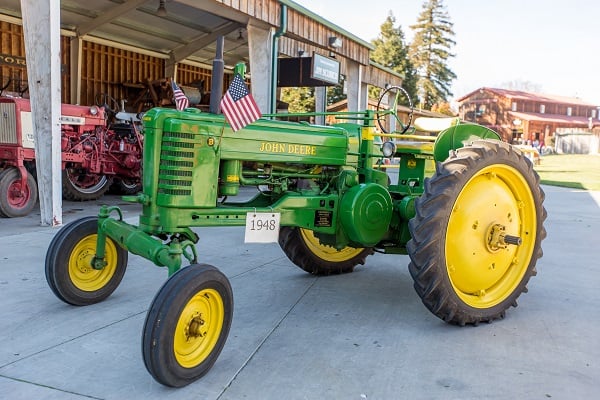
Budding farmhands can motor a real John Deere tractor and milk a (wooden) cow at this indoor-outdoor museum that celebrates the rich agricultural heritage of Watsonville and the Pajaro Valley. Open on the second Saturday of each month, the museum presents fun new themes each month—Harvest on the Farm , Holidays on the Farm—in addition to an eye-catching collection of vintage tractors, a retired train caboose, and an especially popular tractor simulator.
A shell’s throw from Seabright State Beach, this natural history museum packs a lot of creativity and hands-on activities into its compact abode. Curious kiddos can explore sea creatures in an intertidal touch pool, watch honey bees buzz about an observation hive, and climb the museum’s iconic grey whale – and now baby calf statue – a Santa Cruz must. Vivid, taxidermy dioramas showcase the region’s vibrant wildlife, and two dig pits encourages mini paleontologists to hunt for fossils. Check the museum’s calendar for regular family programs including guided walks, gardening, and a big summer shindig.
In addition to an immersive, permanent exhibit on Santa Cruz history, and rotating shows spread over three floors of galleries, this dynamic and welcoming museum hosts weekly community events every Friday in its airy, bustling lobby. Drop-in activities include hands-on crafts such as screenprinting, embroidery, and fabricating artworks from recycled materials. Afterward, grab pizza and gelato from the adjacent Abbott Square Market where you’ll enjoy live music every Friday and Saturday evening.
Steps from shore and big-ticket attractions such as the Wharf and Beach Boardwalk, visitors can marvel at the wonders of Monterey Bay—and learn how to help conserve its abundant marine life—at this free, interactive center. Guide a remote-controlled camera into the replicated depths of the bay, navigate a leatherback turtle safely past harmful plastic bags, and see how many sea creatures you can spot at the simulated tide pool. Don’t miss the visually stunning, short film that plays throughout the day in an open theater.
If the dazzling blooms and exotic plants from Australia, New Zealand, and South Africa don’t wow your kids, the multitude of wildlife sightings—rabbits, quail, and butterflies—surely will. At this 135-acre outdoor, living museum, you can also explore the Hummingbird Trail to seek out the rare, elusive white hummingbird, and sniff pleasing scents of lavender, jasmine, and oregano in the fun Aroma Garden. Don’t miss the annual Hummingbird Day which is held every spring, and offers oodles of crafts and plantings for little ones.
Sneak in some learning in between the bumper cars and cotton candy at the Boardwalk’s Historium. Located on the second floor of Neptune’s Kingdom, you can browse a collection of intriguing photos, memorabilia, and trivia, including the fact that the building housed a massive saltwater swimming pool dubbed The Plunge from 1907 through 1963. Discover more fun facts and historical sights via a self-guided walking tour of the Boardwalk.
Take a break from building sand castles at Capitola Beach, and discover the history of charming Capitola Village at this cozy museum housed in a 1920s beach cottage. Older kids will appreciate detailed models and hands-on items, while smaller children can join the ranks of famed Capitola artists at a well-stocked coloring table. Premiering in 2019, “Capitola Obscura: Unusual and Little-Known Facts about Capitola History” promises fun facts including the tale of “Jupiter,” the first locomotive to haul passenger trains through Capitola which currently sits on permanent display at the Smithsonian.
Header photo is from the Captiola Wharf. Both the Capitola and Santa Cruz Wharves are excellent spots for further exploration and discovery! Have fun Digging Deeper into Santa Cruz County!
Discovering a mural or a mosaic down a hidden alley or behind a hair salon is a thoroughly satisfying experience. It can generate that same rush of excitement you feel when you stumble upon a great new lunch spot or a rope swing in the middle of the forest. It’s these small surprises that keep everyday life interesting and leave you itching for your next adventure.
So here it is. Your next fun adventure: We challenge you to embark on an art-inspired exploration that will take you across Santa Cruz County, one mural and mosaic at a time. Fortunately, almost all of this street art lies within reach of tasty bites, thirst-quenching oases, and some irresistible local boutiques. So, put on your walking shoes, grab your camera, and let’s find some public art!
WATSONVILLE
Taylor Reinhold’s bold, graffiti-inspired murals decorate local schools, hotels, and the blue aluminum siding at Annieglass. A dinosaur-sized great blue heron and equally giant pelican fly across the building. An owl, his yellow eyes the size of basketballs, spreads its wings across the back of a High Ground Organics Farm Stand and a second pelican watches over the parking lot from the front.
While you’re there, marvel at the beautiful and artful designs in the Annieglass factory. And if you ask owner Annie Morhauser about the murals outside, she’ll proudly tell you that the artist is her son. (Creative talent obviously runs in this family!)
SEACLIFF
Seacliff State Beach is known for the World War I ship, the S.S. Palo Alto, that’s anchored just offshore at the end of a wooden pier. For nearly a century, beachgoers have watched the waves slowly break the ship apart and sink her mighty concrete hull. Back in 2015, Ann Thiermann painted a mural on the corner of Broadway and Center street titled “Tugged In.” Excited residents painted across two low walls, watch from shore as the concrete oil tanker is towed in towards the pier. For a short blip, the S.S. Palo Alto was a floating amusement center, complete with a dance floor, cafe, a 54-foot heated swimming pool, and a casino. She lasted all of two summers before a winter storm cracked the hull.
CAPITOLA VILLAGE
The magical streets of Capitola Village are full of murals. Peek down the alley by Zelda’s and find a series of small murals by Beth Cleventine showing the picturesque wharf and Soquel Creek. You’ll also find painted tiles lining the esplanade along the beach and a mermaid, several stories high, diving beneath muted rays of sunlight along the Capitola Beach Suites building on Cliff Drive.
PLEASURE POINT
Between 41st and 38th Avenue, just a few blocks from The Penny Ice Creamery and Verve Coffee, are three distinctly unique murals clustered on two neighboring buildings. Along 38th, dairy cows defy gravity, floating amidst biplanes, blue and white checkered blimps, hot air balloons, and men and women piloting a variety of other odd flying machines.
Around the corner, the scene abruptly changes to a cougar overlooking a mountain stream at sunset along the side of East End Gastropub (also painted by Taylor Reinhold.) Rotate towards the 41st Avenue Cinema and you come face to face with dolphins, killer whales, and a majestic blue whale swimming across a brick wall.
SOQUEL AVENUE
As you’re heading into The Buttery for a croissant egg sandwich, take a moment to admire the 3D mural across the street on the side of Shopper’s Corner. This 90-foot long mural, titled “Bay in a Bottle” depicts the ocean contained in a long clear tube, monitored by a scientist. Mural artist John Pugh is known internationally for painting in the “trompe l’oeil” style, creating large-scale art pieces that look as if you could step right into the scene.
THE BOARDWALK
Colorful murals are part of the magic at the Santa Cruz Beach Boardwalk. From Neptune’s Kingdom, painted with an underwater scene featuring a giant red Pacific octopus and Great White Shark, to Peter Bartczak’s Hawaiian coastline on the side of Cocoanut Grove, murals pop up along almost any blank surface at this seaside amusement park.
Across the street from the Boardwalk, Taylor Reinhold’s signature style shows up again at the Aqua Breeze Inn on Second Street. Local marine life mixes with African giraffes, lions, and parrots against a sky-blue paint job. Yellow and black striped tropical fish swim above a California sea lion and psychedelic jellyfish drift across the first floor.
THE TANNERY ARTS CENTER
The Tannery Arts Center, a central gathering place for dancers, sculptors, painters, poets, welders, and pretty much any other type of artist you can think of, has (surprise, surprise) some eye-catching murals and mosaics. Situated on the banks of the San Lorenzo River, The Tannery, along with several other local organizations, has been slowly transforming sites along the Santa Cruz Riverwalk as part of an ongoing project called Ebb & Flow. The artistic pathway starts with a mosaic river, winding through three cement pots wrapped in mosaic fish, egrets, turtles, and other local wildlife. 12-foot-high stainless steel trees with stained glass leaves grow out of the top.
Further into the Tannery’s courtyard, a girl in a life-sized red canoe floats above a shed painted with giant steelhead trout. From your vantage point at the base of the shed, perhaps sitting on one of the over-sized cement fish eggs (covered in mosaic, of course), it feels as if you’re looking up at the rippling current from the bottom of a riverbed.
THE SAN LORENZO RIVER WALK
The Ebb & Flow project continues down the Santa Cruz Riverwalk to Downtown Santa Cruz. Mosaic invertebrates nestled between colorful reeds recreate the river’s edge. With creative direction from lead artist and teacher Kathleen Crocetti, over 80 local students made the round mosaic tiles filled with fish, larvae, and insects.
DOWNTOWN SANTA CRUZ
As you peruse the shops and restaurants just off Pacific Avenue, take a detour through Pearl Alley behind the stylish boutique Stripe or down Plaza Lane for some local color. “Song of Santa Cruz” on Cedar Street and a retro surf mural draws your eye to Hula’s Island Grill. Further down Front Street, check out the fantastical mural featuring a beekeeper on Firefly Café and Motion Pacific. The heart of the downtown art scene, however, is naturally at the Santa Cruz Museum of Art & History.
Along one side of the Museum and along the border of Abbott Square, a patchwork quilt blankets the gray cement in cheery pinks, blues, and greens. Designed by Thomas Campbell, the mural represents the unique elements of the community’s culture, stitched together with the metaphorical thread that ties all of us together.
Along Water Street, another large mosaic led by Kathleen Crocetti covers the wall along the sidewalk below the Santa Cruz Mission State Historic Park and marches right up the steps, leading to the mission perched on the hilltop above. Two local students designed the scene and over 200 community members, including students from Ms. Crocetti’s 6th grade class, helped create the final product.
THE WESTSIDE
End your murals and mosaics tour on the Westside of North County, bustling with breweries, wineries, bakeries, and delicious restaurants. (We’re guessing you’ve worked up an appetite by this time, right?) Kick your feet up on the mosaic bench at Garfield Park and then check out the black and white mural on the side of Humble Sea Brewery. If you’d prefer coffee or a pastry to craft beer and a sandwich, Companion Bakeshop is just down the street.
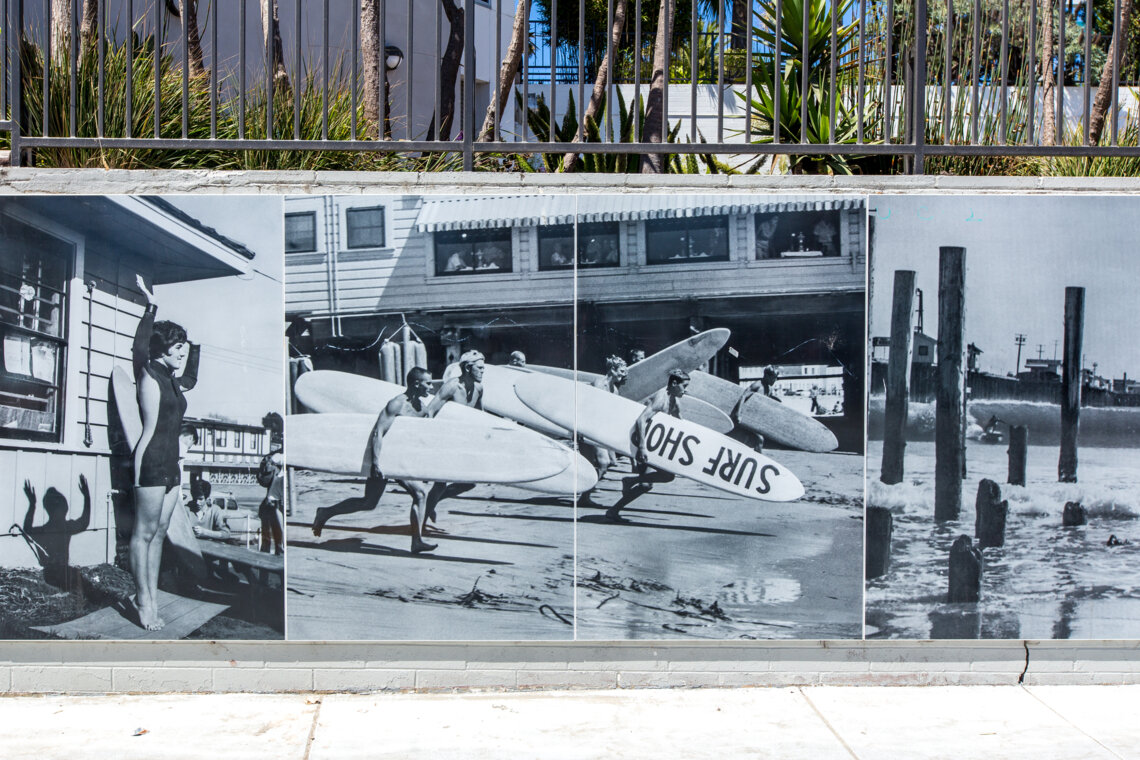
You don’t need a wetsuit to dip into Santa Cruz’s vibrant surf culture. Mainland U.S. surfing began here in 1885, eons before Jan and Dean serenaded SoCal beach goers. More than a century later, our flourishing surf scene continues to generate waves of excitement. To help get you stoked on the local surf culture and heritage, we’ve assembled a surf-themed guide to Santa Cruz. Follow along and you’ll be soon throwing shakas, grinding poke bowls, and maybe even going toes on the nose.
HOW SANTA CRUZ BECAME “SURF CITY”
It all began with three Hawaiian princes. In 1885, the royal trio were vacationing in Santa Cruz when they convinced a local lumber mill to fashion surfboards from redwood logs. Before long, the princes were out in the Monterey Bay, teaching locals how to catch waves. In the 1950s, the burgeoning sport got a huge boost when the late surf legend Jack O’Neill moved to Santa Cruz and introduced the wetsuit, a revolutionary neoprene garb that transformed surfing into a year-round and world-wide phenomenon.
You can learn this history and more at the Santa Cruz Surfing Museum, the nation’s first institution dedicated to preserving surf heritage. The exhibits-housed in the red-brick Mark Abbott memorial lighthouse-detail over 100 years of surf culture from the surf-rock fueled beach parties of the 1960s to an alarming, shark-chomped surfboard.
MARVEL AT THE PROS
The Santa Cruz Surfing Museum sits at Lighthouse Point overlooking Steamer Lane, a world-famous surf break where waves can reach heights of 16 feet and above. Join the crowds gathered along the fence-lined bluff and marvel at skilled surfers shredding the sizable swells below. The Lane also plays host to numerous annual surf contests including the O’Neill Coldwater Classic, Longboard Invitational, and National Scholastic Surfing Association youth surf event.
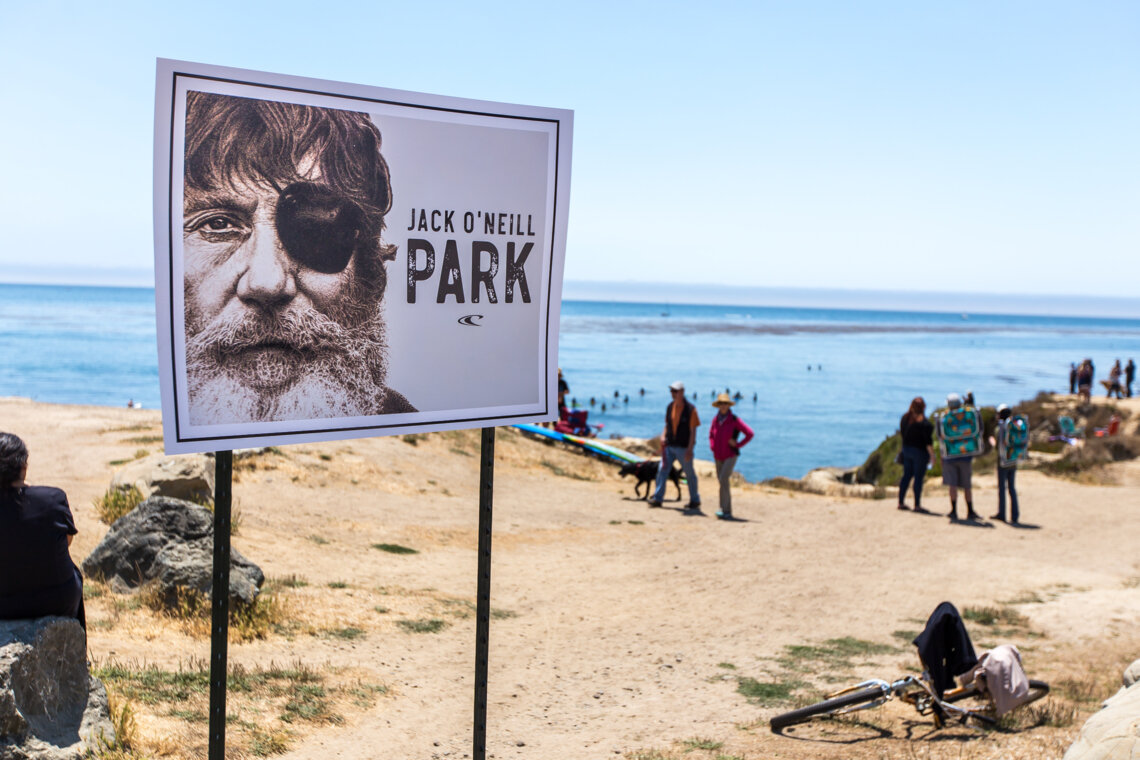
In the surf-tastic neighborhood of Pleasure Point, stroll the blufftop promenade paralleling East Cliff Drive, and you’ll not only pass the tribute-embellished former home of Jack O’Neill and the adjacent park named in his honor, but you’ll also spot scores of surfers riding long rolling waves into shore. Make sure to stop at The Hook, a legendary surf break at the intersection of East Cliff and 41st Avenue that draws a crowd of awestruck onlookers.
GO TOES ON THE NOSE
Even with the impressive waves at Steamer Lane, Santa Cruz County is an ideal spot to learn to surf. Club Ed and Richard Schmidt-a local surf celeb who went from riding inflatable beach mats at Cowell Beach as a kid to braving the massive waves at Mavericks-teach groms out on the gentle rolling waves of Cowell Beach. In the quaint historic village of Capitola, one of the West Coast’s first beach resorts, the sheltered Capitola Beach is perfect for beginners. Steps from the beach’s gentle breaks, the one-stop beach boutique Capitola Beach Company will have you looking your best in and out of the water with surf lessons that teach technique and etiquette so you don’t look like a kook out there.
SURFIN’ OUTFITTERS
Surf culture is reflected all over town, perhaps most notably in the surf-themed caps, tees, and hoodies adorning most locals. Jack O’Neill opened Santa Cruz’s first surf shop at Cowell Beach in 1959. Today, three locally owned O’Neill Surf Shops-in Pleasure Point, Downtown, and at the Santa Cruz Beach Boardwalk-continue that legacy with modern surf gear and apparel including the brand’s world-famous wetsuits. Also in Pleasure Point, Freeline Surf Shop has been a vital part of the Santa Cruz surf community since its opening in 1969. At the downtown surf and skate shop Berdels, you’ll find stylish duds from local independent designers including Uroko, Thieves, and Ventana.
EPIC GRINDS
Every surf town has its killer beachside grub to fuel the next surf sesh. Steps from its famous namesake, contemporary surf shack Steamer Lane Supply nourishes a steady stream of surfers, cyclists, and families with creative panini-pressed quesadillas, vibrant poke bowls, and seasonal agua frescas. In Pleasure Point, the humble-looking Point Market wraps up some of the best breakfast burritos in the county. Choose from 16 varieties-from Thai to tofu-and enjoy it on the stepped seating at nearby Pleasure Point Park with a prime view of the surfer-filled waves below.
At Hula’s Island Grill + Tiki Room, you can celebrate the three Hawaiians that brought surfing to Santa Cruz with Mai Tais and luau-worthy dishes fit for a prince in a fun atmosphere brimming with Hawaiian and surf decor. Down the street, check out Brian Barneclo’s “Surfin Bird,” a colorful mod mural that encapsulates Santa Cruz’s beachside bohemia.
OVERNIGHT SURF SHACK
Surf fans will want to take shelter at the Dream Inn, a sleek waterfront property with a retro-mod surf motif. Situated at Cowell Beach-immediately adjacent to the site of Jack O’Neill’s first Santa Cruz surf shop, a designated California Point of Historic Interest-the hotel features 165 guest rooms each with sweeping views of the Monterey Bay. In the downstairs Jack O’Neill Lounge, check out the memorabilia that pays tribute to the late surf legend…after you pull yourself away from the spectacular front-row views of Cowell Beach and Steamer Lane beyond.
Meet Taylor Reinhold, a talented, enterprising muralist and graphic artist who has galvanized a community of artists from all over the world via numerous street art-based ventures. He’s also the son of Ann Morhauser who founded the renowned glass studio, Annieglass. He jokes that he grew up watching glass break his whole life, but was also steeped in the skate and surf culture of Santa Cruz. In his twenties, he began selling graphic tees at local music festivals, which led to a screenprinting business and an artists collective dubbed the Made Fresh Crew. Reinhold recently moved his screenprinting shop, Natural Motion, into a 6,000-square-foot facility, which includes an airy gallery and retail space displaying street art-inspired works and apparel. We recently caught up with Reinhold to chat street art’s recent resurgence, community involvement, and the upcoming Open Studios event.
You’re the child of a prominent Santa Cruz artist whose pieces are on permanent display at the Smithsonian. What influence did that have on you as a child?
I grew up on an organic Meyer lemon and avocado farm with my dad – a farmer and surfer – and my mom, an artist. There was never any pressure to be a doctor or lawyer!
What inspires you and your art?
Both of my parents are from New Jersey, and as a kid, I would get inspired by the graffiti I’d see riding trains between Philly, Jersey, and New York. I also get inspiration from skateboarding, music, culture, and travel. I get excited to see new cities and people, and explore abandoned and forgotten places.
Has street art gained a wider recognition and acceptance?
Although it started in New York, street art has largely been stigmatized in the States as vandalism. It’s flipped the traditional art world on its head, changing the way people interact with art, bringing the gallery experience to the streets. Now, it’s become more mainstream. You see it reflected in Silicon Valley where everyone wants to have cool, bright art in their offices. I’ve been commissioned to do artworks at companies such as Comcast and LinkedIn.
Where else can we find your murals?
Locally, you’ll see my work at the Aqua Breeze Inn across from the Boardwalk, Cafe Gratitude downtown, the Watsonville courthouse, and the local business Plantronics. I also have murals all over South America, Southeast Asia, and Egypt.
Tell us about the Fresh Walls mural project that you helped launch.
We partner with agencies and nonprofits such as the Santa Cruz Arts Council, Clean Oceans International, and local public schools to create community-based murals focused on sustainability. We are currently fundraising for one of the largest murals in Santa Cruz County, a public 500-foot ocean-themed mural at Bay View Elementary that promotes a plastic-free marine sanctuary.
How would you describe the Santa Cruz art scene and the importance of events such as First Fridays and Open Studios?
Santa Cruz is one of the most creative places on the planet, full of colorful people and art lovers. The art scene is thriving here but we need more affordable, creative spaces for artists. With our new gallery, we’ll exhibit new and upcoming artists that don’t have regular access to exhibition space. We’ll feature First Friday art shows every other month that we refer to as Fresh Fridays. We’ll also participate in Open Studios, which has connected me to so many amazing local artists. I am so glad my mom dragged me to numerous studios at a young age and showed me that it is possible to survive as an artist.
You don’t seem content to hide away in a studio. What compels your community involvement?
I started my career working for non-profits and after-school programs teaching mural classes. I was inspired by my students and the lack of funding for art in public schools. I wanted to give back and create community-based mural projects that bring life into the streets and schools. The beauty of art, especially large-scale pieces such as murals, is that people from the community come right up to you and want to interact. It’s how I’ve been able to connect with people around the world. Getting more color on the walls and bringing more people together: that’s what I’m here for.
(This interview has been edited and condensed for clarity.)
Santa Cruz has a long history of environmental stewardship that’s reflected in our plentiful organic farms, bike-friendly streets, drought-tolerant gardening incentives, and our local art. Reusing material is nothing new in the art world but these three artists in Santa Cruz have perfected the craft. Scraps of redwood, skateboards, and glass become surfboards, bottle openers, and dinnerware that pay homage to their past forms through stunning transformations that highlight rather than hide the reused material. Each piece diverts waste from the landfill, yet you’d never guess this art began as someone else’s trash. Meet a surfer, skater, and artisan glassmaker who are each trailblazers in the upcycled art scene and create right here in Santa Cruz.
Photo by Molly Ressler
Martijn Stiphout of Ventana Surfboards and Supplies
A medley of wood scraps including redwood, and bay laurel, and Doug fir lean against the wall in Martijn Stiphout’s second-floor workshop where he handcrafts his signature hollow wood Ventana Surfboards. The redwood is the siding off the Mushroom Dome Cabin’s hot tub, the #1 Airbnb in the world located right here in the woods of Aptos. The bay laurel is from the historic Cowell Cooperage building at UC Santa Cruz where lime barrels were assembled in the late 18th and early 19th century. And the unassuming Doug fir once shaped the hull of Steinbeck’s famous fishing boat, the Western Flyer. Stacks of smooth flame maple and dark ebony, offcuts from Santa Cruz Guitar Company’s world-famous acoustic guitars, are stacked nearby, waiting for their transformation.
Photo by Molly Ressler
Each piece of reclaimed wood has a story that eventually makes its way into one of Stiphout’s coveted Ventana surfboards. Made of hollow wood (often five or more varieties) and coated with epoxy and fiberglass, the boards are made to ride waves though they most often end up as a central art piece in homes and businesses. Ventana has a whole crew of upcycle partners that supply Stiphout with historic and exotic reclaimed woods, from local distillery Venus Spirits to the Monterey Bay Aquarium.
Beyond reusing materials for all their boards, Ventana also donates at least 5 percent of profits to ocean conservation. Order your own custom board or check out Ventana’s selection of sustainable apparel and accessories in their online store or at Berdels in Downtown Santa Cruz. You can also stay up to date with Stiphout’s latest designs on Instagram (@ventanasurfboards).
Photo courtesy of Annieglass
Annie Morhauser of Annieglass
Only 10 percent of the glass we so carefully place in our blue recycling bins actually gets recycled. With a production rate of 200 pieces per day requiring a ton of glass per week, Annie Morhauser of Annieglass, a handcrafted glassware studio in Watsonville, is acutely aware of her company’s environmental footprint and does everything she can to reduce it. When the glass factory that recycled all her scraps shut down, Morhauser had to figure out another way to keep the company’s glass out of the landfill. As their excess glass stacked up in the studio, Morhauser decided to experiment with creating recycled glass pieces to add to her collection.
Photo courtesy of Annieglass
The Elements Collection features thick trivets and appetizer trays inspired by the organic shapes of lakes, rivers, and clouds with scrap gold platinum flecked throughout the recycled seafoam green glass. Morhauser currently has a patent pending for her innovative process that uses water-jet technology to make the recycled glass into the trivets and trays and, more recently, daisies, tulips, and butterflies. The technology is saving approximately half a ton of glass every month from the landfill. Annieglass also uses green packaging materials to ship all its products and invites anyone to drop off their clean bubble wrap and other packing materials (except styrofoam) at their Watsonville studio.
Add one of Morhauser’s glass pieces to your own collection by visiting the Annieglass online gift shop, their brick and mortar store attached to their glassmaking studio in Watsonville, or a local supplier. (For one of the largest selections outside their official gift shop, check out Dell Williams Jewelers in Downtown Santa Cruz.)
Photo by Molly Ressler
Alex Wong of Upcycled Skate Art
After decorating an old speaker with skate decks for his sister, Alex Wong starting asking friends and strangers at the local skate park for their old decks so he could make more art. Stacks of donated skateboard decks now line the back wall of Wong’s workspace for his company, Upcycled Skate Art. The split decks look like flattened ribbons of taffy in every flavor, from bright yellow banana to pink cotton candy.
Using the decks and reclaimed wood from Ventana and Santa Cruz Guitars, Wong combines the strips of colored maple in a variety of designs, from cactus coasters and California bottle openers to the iconic Screaming Hand and detailed butcher blocks.
Photo by Molly Ressler
3 million discarded decks end up in the landfill every year but Wong is proving that a broken skateboard can serve a purpose beyond its first life. Find Wong’s art on Instagram (@upcycledskateart) or in local boutiques like Home/Work and Art Inspired. Also look for his distinctive pieces on display in local businesses like Hotel Paradox where he designed custom menu boards with the Solaire Restaurant logo and a laser-engraved map of Santa Cruz.
While news of a historic adobe might get lost amidst today’s flurry of sensational clickbait, we assure you that the Castro Adobe is a very special place. In addition to its gorgeous setting within Watsonville’s bucolic Larkin Valley, the circa 1850 adobe is a fascinating restoration project, an active archeology site, and a virtual glimpse into the region’s lively past. In its 168 years, the adobe has never officially been open to the public. Now, thanks to Friends of Santa Cruz State Parks who is leading restoration efforts, the Castro Adobe offers free, monthly open houses that offer visitors a unique opportunity to tour the property, witness its captivating restoration, and maybe munch a few freshly made tortillas in the process.
STEP BACK IN TIME TO THE RANCHO DAYS
Built between 1848-1850 during the Mexican rancho period of California, the adobe served as the home of Juan Jose Castro; his dad, Jose Joaquin Castro, walked up from Mexico and settled in what is now east Santa Cruz. Juan Jose, a native Mexican rancher, belonged to the prominent Castro family who owned huge swaths of land between the Pajaro River and Davenport.
Today, the former Castro home is one of four adobes-and the only two-story adobe-in Santa Cruz County. It’s listed on the National Register of Historic Places and designated as a California State Historical Landmark. The adobe sits at the crest of gentle hill offering distant glimpses of Monterey Bay. To reach the adobe, visitors ramble up Old Adobe Road, the original cart and wagon route to the home. They’re greeted by a large green expanse bounded by a white wooden fence and clusters of hulking cactus adorned with crimson-red prickly pears. A small orchard holds apple, persimmon, and walnut trees while a peaceful garden is dotted with benches to enjoy ever-present birdsong, gaze up at magnificent old cork trees, and admire purple blooms of wisteria wrapping the adobe’s wooden posts.
The home includes a few notable features such as an original rancho cocina, a rarity in California. The traditional Mexican kitchen includes its original redwood shelves and a wood-fired bracero with grills reconstructed by the blacksmiths at Wilder Ranch State Park. Upstairs, an expansive fandango room hints at the many parties hosted at the house. While the home might appear humble today, during its time it was thought of as a grand mansion that served as a festive gathering spot for an endless stream of visitors and travelers. If you wish these walls could talk, they practically do. Carved into the earthen walls is graffiti from visitors over the decades. See if you can spot the shout-out from sailors in town on the U.S.S. Tennessee in July 1933. Some scribblings go as far back to the time of the Castro’s.
DISCOVERING + PRESERVING THE PAST
The adobe owes its current existence to a string of dedicated stewards who lived in and/or cared for the structure over the years. Perhaps the most notable of these caretakers was Edna Kimbro, a historic adobe preservationist who worked to restore the Castro Adobe while residing in it with her husband. Structural damage from the 1989 Loma Prieta quake caused the Kimbro’s to flee the home, and in 2002, they sold it to California. Today, Friends of Santa Cruz State Parks in partnership with California State Parks continue the legacy of homeowners and caretakers who have lovingly studied and maintained the adobe. Friends has been working actively on the adobe since 2007. At one point, they had to create 2,500 adobe bricks by hand-each weighing 85 lbs-to bolster the home’s 3-foot thick walls.
Notably, recent restoration efforts have transformed the adobe grounds into an active archeology site. Numerous historic items continue to be unearthed in and around the home. The lives of the adobe’s many inhabitants are conjured up via found items including old toothbrushes, pipe stems, oxen yokes, and Native American objects such as bottles chipped into gaming pieces.
A FUN-AND RARE-OPPORTUNITY TO VISIT
Today, the only way to visit the adobe and surrounding grounds is to attend an open house. The monthly weekend events are festive affairs where you can tour the adobe, make tortillas in the historic cocina, and learn how to rope. Bring the family for live music, games for kids, and the occasional speaker and film screening. You can also marvel at the many artifacts unearthed onsite, and watch restoration being made on the adobe and its forthcoming museum. These events provide a rare opportunity to visit the structure and witness the creation of a state park in real time.
During its heyday, the Castro Adobe was a center of activity, hosting all manner of visitors. Today, the adobe still functions as a community hub, buzzing with enthusiastic groups of historians, docents, volunteers, archeologists, students, gardeners, and open house participants, all connected by their love and interest in this local historic treasure.
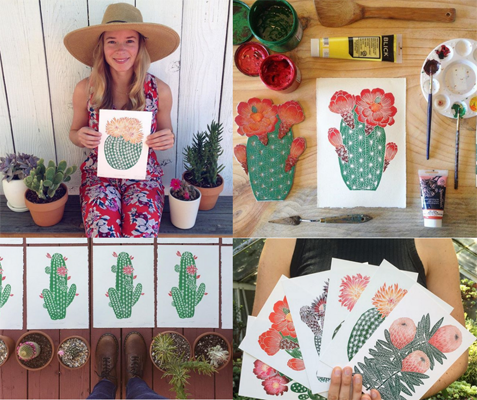
From her sunny back deck or her cozy bedroom decorated with original prints and watercolors, Lili Arnold (@liliarnoldstudios) can make up to 50 block prints in one day. Cacti are her primary subject but she also has a series of marine-inspired prints, petroglyphs, celestial prints, and has plans to do a wildflower series in the future.
“Leaves and flowers and plants in general have so much intricacy and beauty,” says Lili. “It’s amazing the beauty that this world can create on its own.”
Over the last year and a half as a professional printmaker, Lili has organically grown her Instagram following to over 116K followers. She’s been featured in major media outlets like The Huffington Post, sells her art to buyers as far away as China, and has effectively turned her bedroom (and recently living room) into a working studio.
The desk in her bedroom has just enough space for painting and pulling the actual prints. A small metal shelving unit filled with a rainbow of inks, hand rollers, and other essential block printing supplies sits tucked behind the door. When it’s too wet outside, prints hang from clothespins on a piece of twine strung up in front of the mirror in the connecting master bath. “It does make it a little hard to use the sinks” Lili admits.
Photo by Molly (Lautamo) Ressler
On one of these wet afternoons that turns Lili’s bedroom into a cactus gallery, Lili welcomed me into her home on the Westside of Santa Cruz to watch her printing process and chat about her work. She’d chosen her favorite, the Protea Susara, although it’s actually an Australian shrub, not a cactus. At 15″ x 22″ it’s also one of her largest prints.
Donning an appropriately paint-splattered apron over her striped sweater and high-waisted jeans, Lili dipped brayers (little hand rollers) into green block printing ink to paint the Protea’s leaves. While she worked, Lili shared her favorite spot to recharge, why Santa Cruz is such an awesome community for artists, and the most challenging aspect of her work.
Photo by Molly (Lautamo) Ressler
Why cactus?
It wasn’t really intentional; actually, it was kind of a happy accident. I needed some form of creative release while I was still working full time, so I started gardening and print making on the weekends. I went to a nursery looking for plants and wandered into the cactus section. I found this one cactus that was blooming with vibrant magenta flowers and I just had to get it. After I got that cactus I started painting it and thought it might make a cool print because there’s so many cool textures. So, I made my first block print of a cactus and had such a blast doing it.
Photo by Molly (Lautamo) Ressler
It’s been about a year and a half of making cactus and I’m still not sick of it at all because there’s still so many to do. But I’m not blocking myself into just cactus. That just happens to be what’s exciting for me. There’s also so many exotic plants from around the world that have really drawn me in. I’ve already done one Protea but I want to do more. I also want to do Banksia-anything unusual and detailed, I love that.
@liliarnoldstudios
What role has Instagram played in your success?
Instagram has given me a way to share what I do with an audience that is always growing. It connects me with people all over the world. To be able to share my craft and make sales through that is key for my business. That’s how it all got started.
@liliarnoldstudios
What’s the furthest distance you’ve shipped your art?
This might not technically be the farthest but the most foreign order I got was from China. I had to translate Chinese characters to English for the address. The woman placed a really big order and then another a month later. So, I have a woman in China who is supporting my art! I ship orders all over Europe and Australia, a few to South America, but maybe 95% of the orders are in the U.S. I want to give everybody the chance to be able to get something if they want it.
Why have you chosen Santa Cruz as your home?
Santa Cruz gives me such a high quality of life every day. I wake up in the morning to a beautiful day surrounded by nature; I can drive or ride my bike a mile to a natural organic grocery store. I’m only a mile from Natural Bridges State Beach. I have all the things I love in one place.
Photo by Molly (Lautamo) Ressler
Most importantly though, the art community here is vibrant and strong. Artists, and the supporters of the artists in this town, create a really supportive network. No one is trying to step on each other’s toes to get ahead. It’s all mutually supportive and that feeling is hard to find in other places.
People always say it’s a dog eat dog world and I feel like that’s the opposite of Santa Cruz. Instead ‘it’s good job! Let’s collaborate!’ There’s so much positivity.
Where do you go in Santa Cruz for inspiration?
The UC Santa Cruz Arboretum is one of my favorites. They have such a variety of exotic plants but also just being in a quiet, beautiful place like that you get into this peaceful mindset and it starts to inspire creativity or just thinking outside of your day to day life. I also love going to the local nurseries and seeing what plants they have in the cactus and succulent section.
@liliarnoldstudios
Also, driving around Santa Cruz there are so many beautiful gardens. People really take pride in their gardens here compared to other places. There are a lot of tropical plants, desert plants, and drought-tolerant gardens which are right up my alley in terms of subject matter.
What’s the most challenging aspect of your work?
One of the challenges to printmaking specifically is that a lot of people don’t really know what printmaking is. If they just see the print in a shop they don’t know how it’s made or that it’s handmade. Educating people on the process changes their perspective. Educating how much work goes into it, but also that it’s something anyone could do at home. I hope to inspire people to want to try it.
Photo by Molly (Lautamo) Ressler
Where to find Lili’s prints
You can find Lili’s gorgeous prints on her website and at several Santa Cruz County stores including Dig Gardens and Home/Work in Santa Cruz, Traders of the Lost Arts in Boulder Creek, and The Closet Shopper and Art Inspired in Capitola Village. And don’t forget to follow her on Instagram !
March 2018 officially marks Watsonville’s 150th anniversary—a sesquicentennial!—and the town has big plans to celebrate. Although the celebration will continue throughout the year, there’s much to get excited about, lately. The historically agricultural community has become a recent hotbed for independent artists and craft food and drink producers, prompting some to refer to it as the Brooklyn of Santa Cruz County. Below, we share everything you need to know about the upcoming festivities, as well as some ways to enjoy Watsonville’s rich culture and scenic landscape today.
YOUR GUIDE TO THE FESTIVITIES
The City of Watsonville has moved the party online. Watsonville150.org is dynamic, online hub for all things related to the 150th anniversary including an event calendar, historic photo galleries, and an interactive walking tour. Just don’t miss the fun, two-minute video on how Watsonville got its name!
KICK UP YOUR HEELS AT AN ANNIVERSARY EVENT
The City kicks off its 150th on March 30th at 5:30 p.m. with a rollicking birthday party in its downtown plaza with live music, activities, and a massive birthday cake for attendees. On May 12th, the City hosts its first beer and wine stroll which will take place from 12 – 5 p.m. throughout downtown. The City also plans to incorporate the 150th theme into existing annual events, including the Fire in the Sky celebration on the Fourth of July, Day of the Child on Earth Day, Strawberry Festival, and others. Plus, watch for a series of celebratory community concerts in early October 2018.
MARVEL AT HISTORIC PHOTOS
You needn’t be a history buff to appreciate the fascinating, sepia-tinged and Kodachrome photos found on the commemorative site. Thanks to the Pajaro Valley Historical Association, the City has assembled an extensive collection of the town’s street scenes, eateries, and buildings throughout its 150 years. Plus, follow @Watsonville150 on Instagram, and you’ll get a daily snapshot of Watsonville’s past—from Old West style saloons to 1950s diners—pop up in your feed.
SHARE YOUR MEMORIES
The City of Watsonville wants you to share your photos, too! If you have photos and/or memories of growing up or spending time in Watsonville, you’re encouraged to post them at Watsonville150.org. Got to the Memories tab, and you’ll be able to upload personal photos and stories direct to the site.
DO A DAY TRIP
Don’t wait until the next event to celebrate the town’s offerings. If you think Watsonville is comprised solely of agricultural fields, you’re overdue for a visit! The south county town is home to broad sandy beaches, wildlife-filled sloughs, and a thriving craft food and drink scene. Check out the following list of ideas for fun ways to fill a day in Watsonville:
Take an interactive walking tour of Downtown Watsonville. Download the app from Watsonville150.org and you’ll get historic information about each site you stroll by in real time.
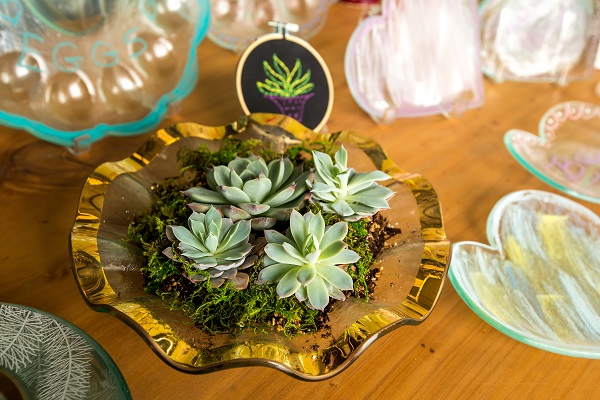
Create succulent gardens and block-print tea towels while you sip local wine and beer at the Craftbar at Annieglass.
Dig into organic grub made with veggies straight from the farm at California Grill, a community-oriented eatery that’s owned by a second generation Watsonville farmer.
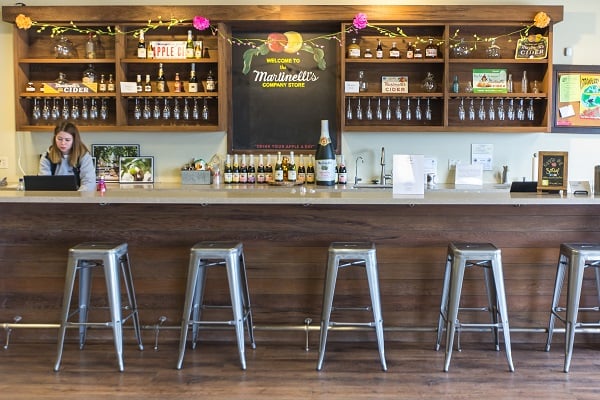
Sample fresh juices and sparkling cider at the Martinelli’s Company Store, another venerable Watsonville institution that turns 150 this year!
Drive a tractor, feed a llama, and immerse yourself in the rich farmland history of the area at the Agricultural History Project.
Frolic amidst the giant sand dunes at the immensely scenic Sunset State Beach.
Plus, there are exciting new projects on the horizon. Opening this summer, the Watsonville Hangar will feature numerous contemporary food & drink businesses housed inside a converted WWII-era airport hangar and a series of shipping containers. The new development at the Watsonville Airport promises to be a buzzy new dining hub, including such draws as a popular beer garden with outdoor games, a modern coffee shop, and fresh juices and acai bowls with Brazilian vibes.
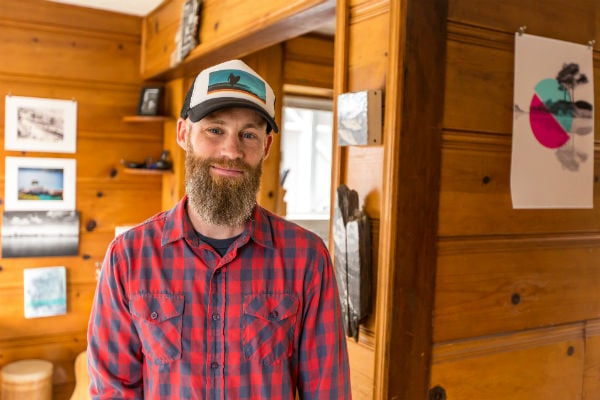
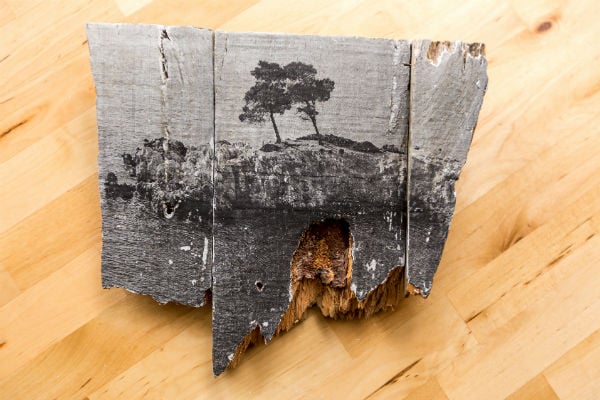
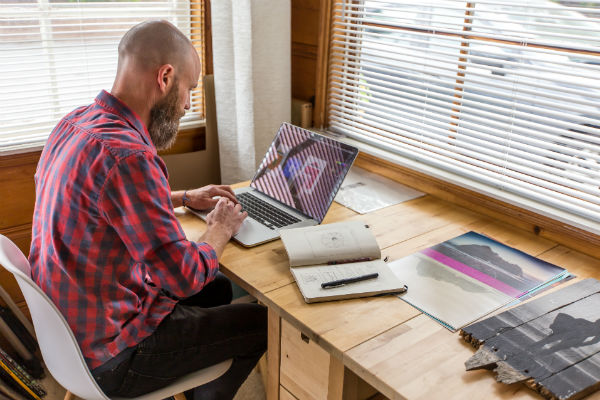
One glance at Jared Leake’s surf-filled artwork and it’s clear the former East Coaster was lured west by endless summers and the California dream. “The warm climate, outdoor culture, and epic Pacific Ocean are what drew me out,” he says of his decision to move to California in 2011. Today, the Santa Cruz transplant makes the most of his adopted home through surfing, trekking local trails, and creating contemporary artwork that captures the good vibes and striking scenery of the local landscape in a new way. We asked him to share a little about his process, where he goes to get inspired, and where he finds the perfect pint of local brew.
A NEW VIEW OF THE SANTA CRUZ LANDSCAPE
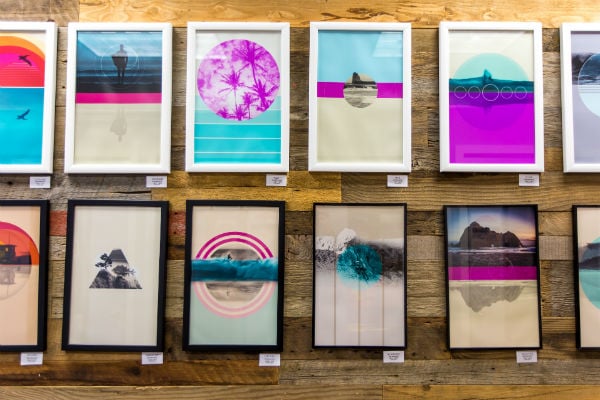
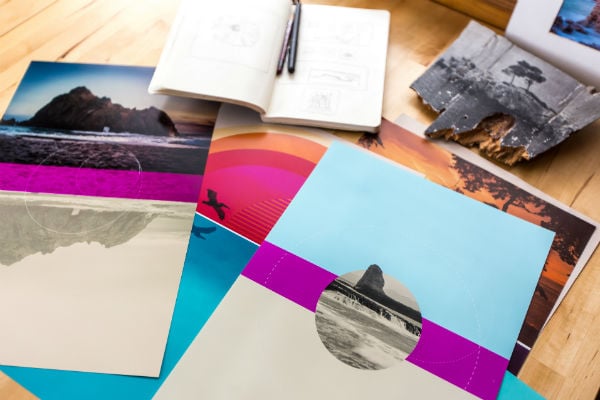
Jared’s artwork takes two shapes, each a creative manipulation of his outdoor photography which features numerous Santa Cruz beaches. For his sleek, retro-tinged digital prints, he pulls individual aspects of a photo-soaring pelicans, a lifeguard station, a surfer dropping into a cresting wave-and embellishes them with multihued shapes and designs that call to mind classic surf posters. “I wanted to do something different with photography,” Jared explains. “By taking one element of a photo and putting it in a new context, it becomes the focus.”
His wood pieces apply the same concept but via a more tactile process. Using a photo transfer method and locally found wood-driftwood or old fence posts, for example-he imprints black-and-white images onto weathered fragments creating beautiful photographic sculptures.
Jared shares his artistic skills by teaching visual art and digital photography to high school students, fostering the next generation of local artists. A flourishing local art scene is part of what drew him to Santa Cruz. “There’s a large, diverse group of people who are creating art in Santa Cruz,” he says. Jared also points to the wealth of local art resources like First Friday-“Downtown is bumping!”-and The Tannery Arts Center which he recommends as a great spot for art classes.
JARED’S LOCAL RECOMMENDATIONS
When he’s not teaching high schoolers art or creating his own, Jared’s out in the surf and on the trails that fill his artwork. Here are some of his recommendations for where to soak up the local scenery and culture.
The Go-to Beach:
I love the big, beach feel of Manresa State Beach with its wide stretch of sand. It’s also a good, mellow spot to surf and have your own space. Closer to my house, I also catch waves at the Point and 26th Avenue Beach in Pleasure Point.
Favorite Hiking Spots:
I’m training for a marathon so I do a lot of trail running at the Forest of Nisene Marks. I’m also planning a multi-day backpacking trip at Big Basin Redwoods State Park. Recently, another art teacher and I took a group of high school kids on a art-and-photography field trip to Big Basin and a few Davenport beaches, stopping for treats along the way. The raspberry croissants at Whale City Bakery are awesome!
Good Photography Spots:
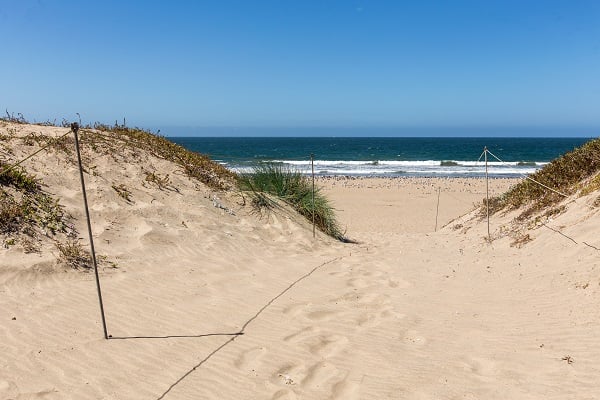
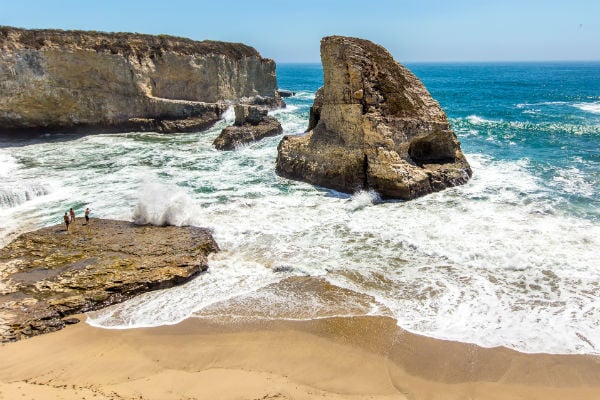
In my neighborhood, I shoot surfers at the Point and Two Six (referring to 26th Avenue Beach). But I love going north toward Davenport. I pull over and scrambling down to beaches like Shark Fin Cove with its amazing formations.
Shark Fin Cove in Davenport
The Best Grub:
I go to Coffeetopia for bagels and coffee, Suda for fish tacos, and East End Gastropub for burgers and beer. I’m a big beer guy, so I’m frequently at Corralitos Brewery and Discretion. Uncle Dave’s Rye IPA is killer.
Earlier this year, Santa Cruz lost a beloved local legend. Jack O’Neill, the surf pioneer credited with developing the wetsuit and changing surfing forever, passed away on June 2, 2017 at age 94 in his home in Santa Cruz. With a full scraggly beard and black eye patch-the result of a surfing injury-the rakish O’Neill was a local icon, often seen cruising around town in his Jaguar and shouting out surfing tips to those surfing outside his cliffside house in Pleasure Point. Although best remembered for the international surf brand that bears his name, O’Neill was most proud of the Sea Odyssey program he founded to teach ocean stewardship to elementary students via sailing trips on the Monterey Bay.
Upon his passing, the O’Neill family shared the following message:
“Surrounded by family, Jack was as soulful and encouraging as always, reiterating his love for his family, appreciation for a life well lived, his hopes for his friends and the oceans he loved, all within the familiarity of his oceanfront home of over 50 years, with the famous waves of his beloved Pleasure Point beach lapping at his deck.”
THE FIRST “SURF SHOP”
A native Coloradan who fell in love with the beach during a brief childhood stint in Southern California, O’Neill eventually moved to Ocean Beach in San Francisco during the 1950s. It was here that he not only opened his first surf shop-in a garage along the oceanfront Great Highway-but coined the phrase itself, eventually receiving a trademark for the term “surf shop.” Soon after, he moved his family to Santa Cruz and opened his second surf shop on the site of the current Dream Inn (the hotel honored this legacy by rechristening their bar the Jack O’Neill Lounge and contributing to an onsite mural that depicts the mid-century surf shop).
During this time, O’Neill was tinkering with a neoprene garment that would allow him to stay in chilly Northern California waters longer so he could surf more. His friends scoffed, but his creation of the first wetsuit would go on to revolutionize surfing and help foster the surf craze that boomed in the 1960s. His wetsuits also helped launch the international surf brand that exists today. While the O’Neill brand was sold in 2007, the O’Neill wetsuit brand remains family-owned, as do four O’Neill surf shops, three of which are located in Santa Cruz County.
CLASSROOM ON THE BAY
In 1996, O’Neill founded the O’Neill Sea Odyssey, a non-profit program that imparts ocean stewardship to 4th – 6th grade students from schools throughout Central California. Students board O’Neill’s 65-foot catamaran and sail out on the Monterey Bay National Marine Sanctuary where they participate in hands-on lessons on marine habitats. The program has served 100,000 students to date, and O’Neill referred to it as his proudest achievement.
MEMORIAL PADDLE-OUT
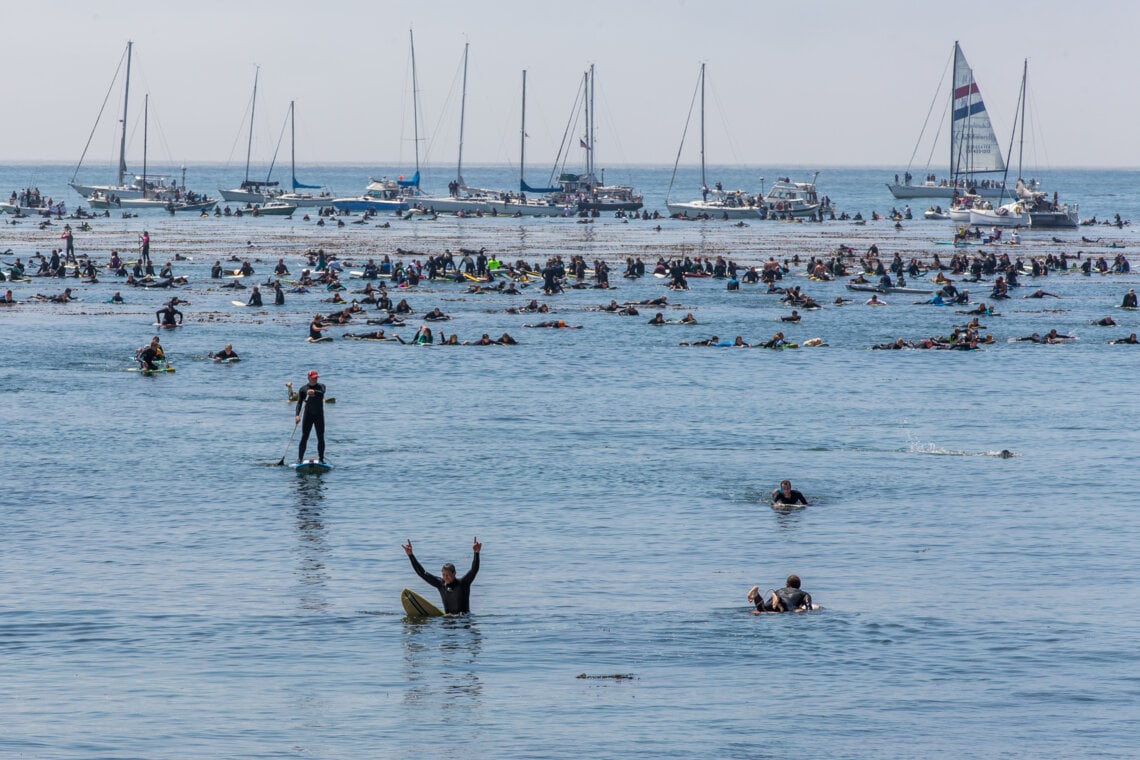
On the morning of Sunday, July 9th, 2017, thousands gathered along the Monterey Bay to pay tribute to O’Neill with a memorial paddle-out, a beautiful surfing tradition where participants form a floating circle in the ocean to honor a fellow surfer or ocean enthusiast. Pleasure Point’s waterfront East Cliff Drive-the site of O’Neill’s waterfront residence-was filled with a lively mix of well wishers, children with tribute eye patches, and surfers balancing colorful boards atop their heads. The wooden fence surrounding O’Neill’s house was adorned with many momentos, flower leis, and makeshift altars.
After lining up to receive sprigs of white orchids, thousands of wetsuit-clad surfers bellied up on their boards and paddled out into the gentle surf while thousands of cliffside spectators looked on. To mark the start of the ceremony, a Coast Guard helicopter swooped overhead, and fellow surfers aboard the O’Neill catamaran began sharing stories about Jack via loudspeakers. Afterward, the waterborne surfers who formed a sprawling circle around O’Neill’s boat tossed orchids into the sea and began enthusiastically splashing the water. It was a touching display of community affection for the late O’Neill as boat horns blared and spectators back on land whooped cheers of support.
JACK O’NEILL DAY
In honor of O’Neill’s many contributions to surfing, the local community, and the wellbeing of oceans, The City of Santa Cruz declared July 9th to be “Jack O’Neill Day,” and redubbed the lot adjacent to his home Jack O’Neill Park.
As his family notes, “For nearly his entire life Jack lived by and for the world’s oceans, and worked tirelessly to promote public access to their many health, economic and environmental benefits. He was very concerned, for example, with the health of waters at area beaches.”
Today, visitors can explore those same waters that O’Neill devoted himself toward aboard the Team O’Neill catamaran which offers public cruises on the Monterey Bay (check the O’Neill Yacht Charters site for dates, times, and reservations). If you’d like to continue Jack O’Neill’s support of healthy oceans, the O’Neill family suggests that any memorial contributions can be sent to the O’Neill Sea Odyssey.



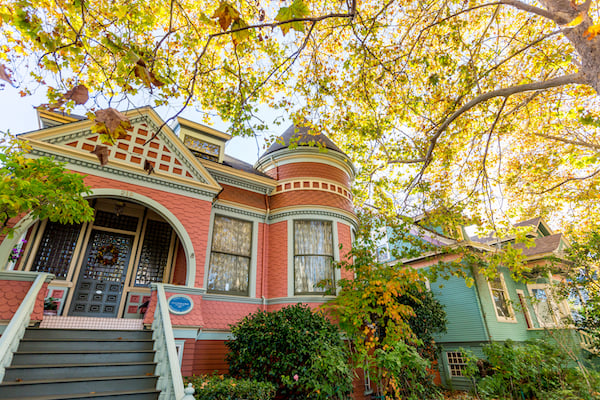
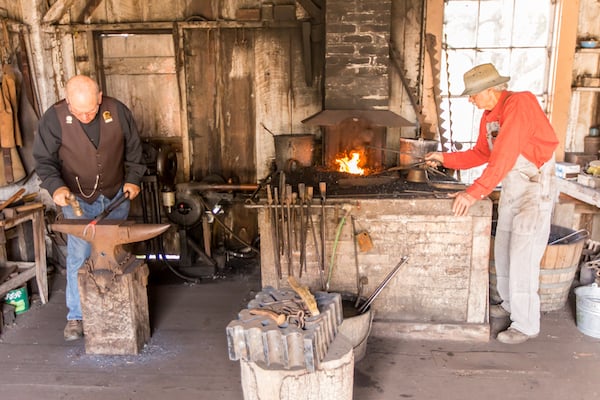
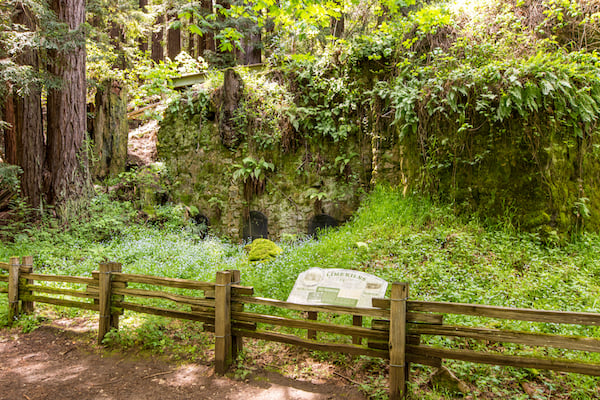
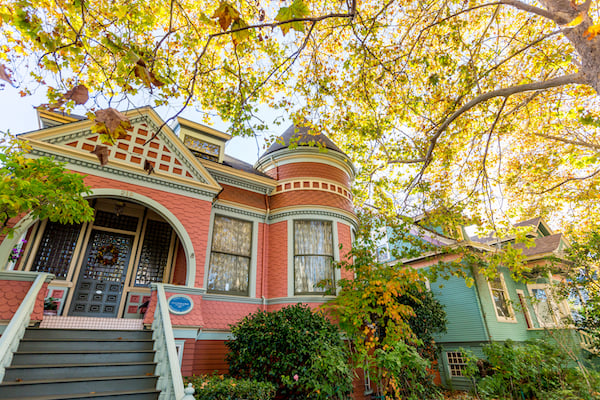
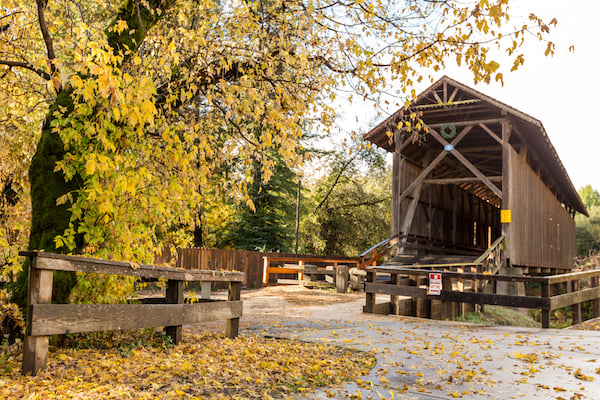
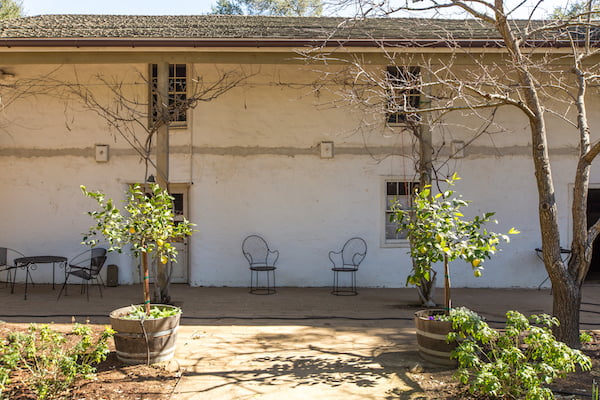


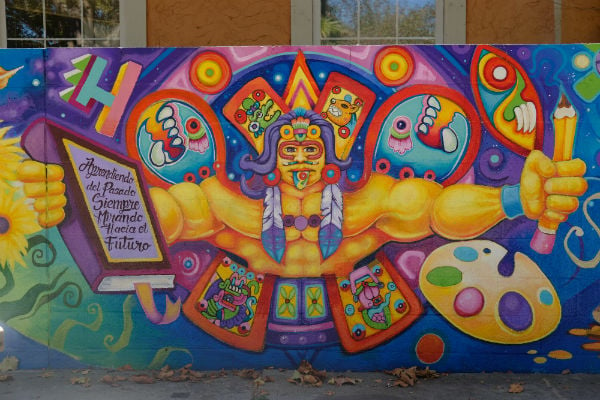
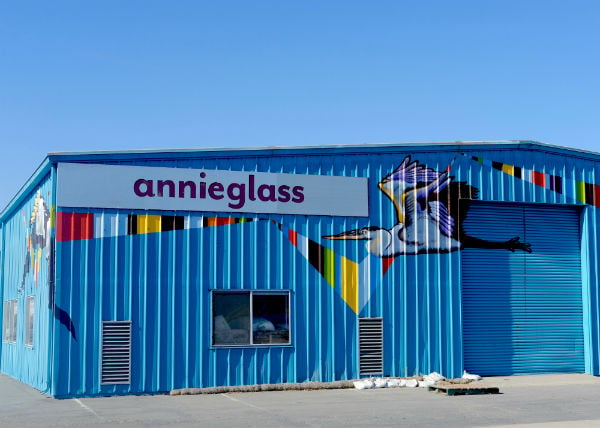
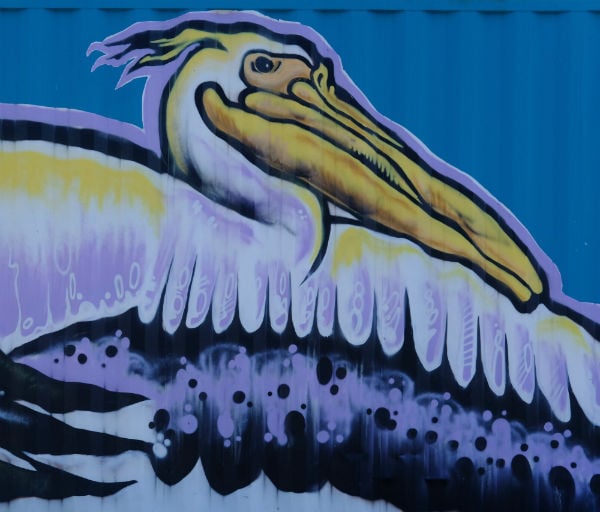
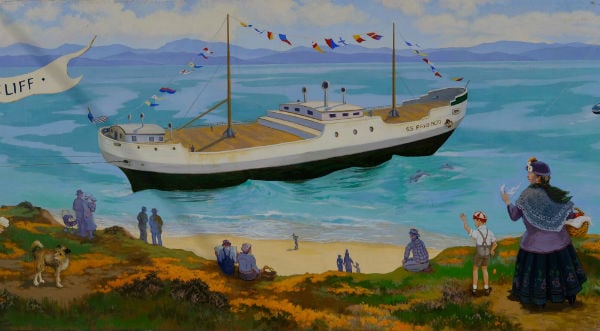
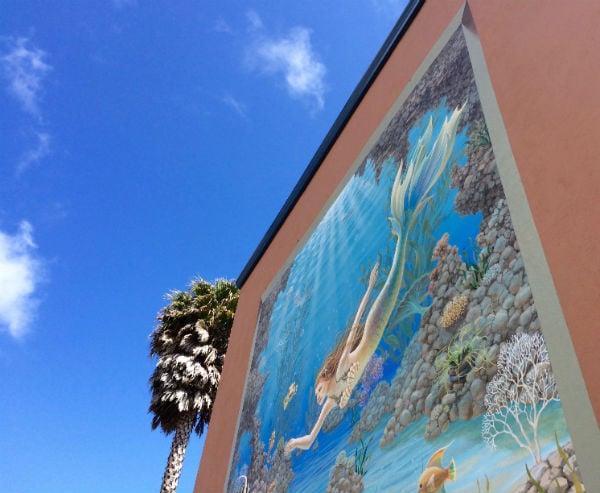
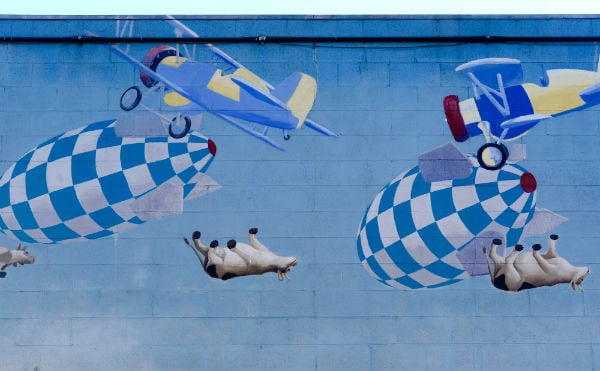
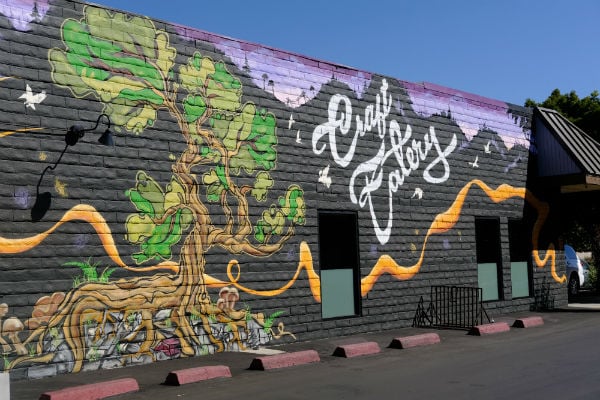
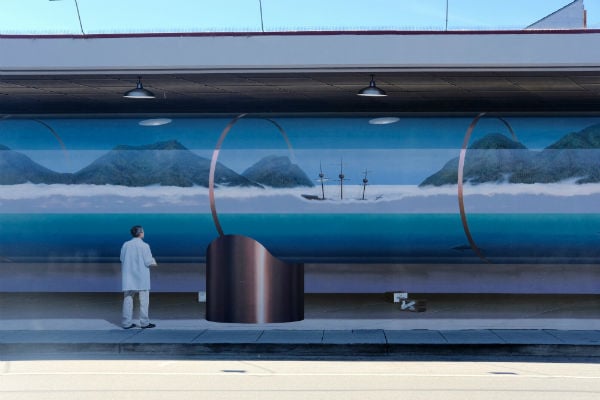
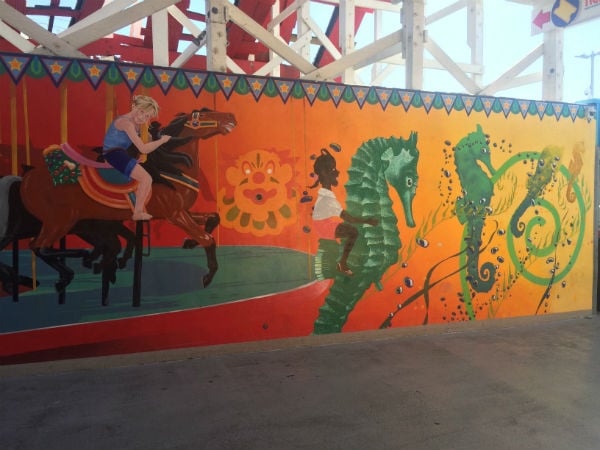
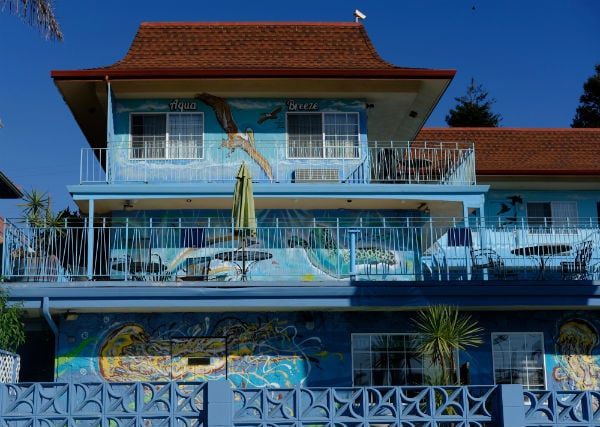
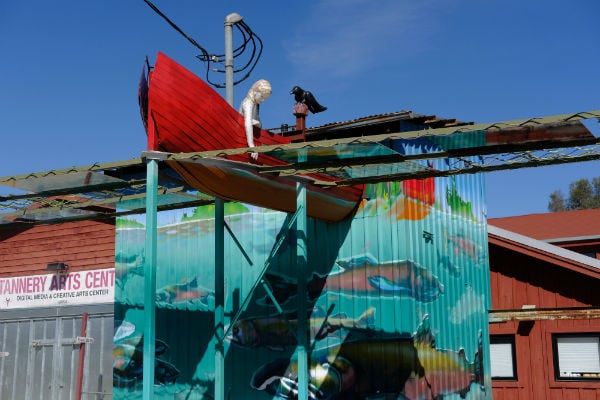
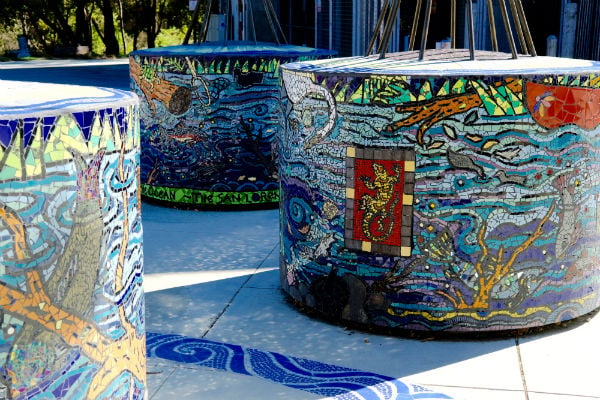
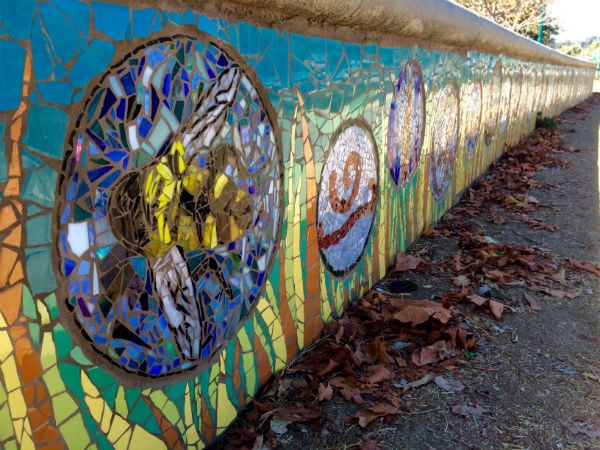
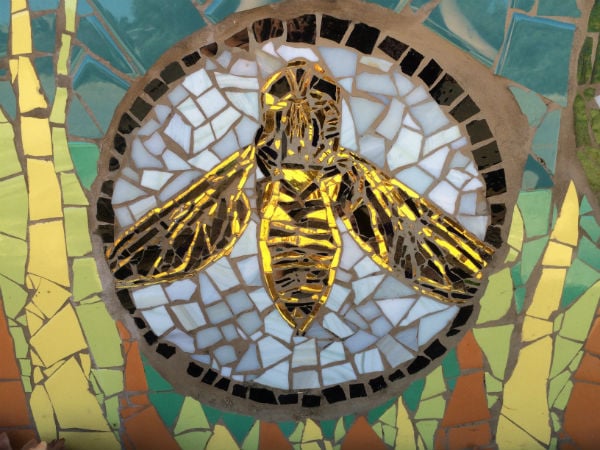
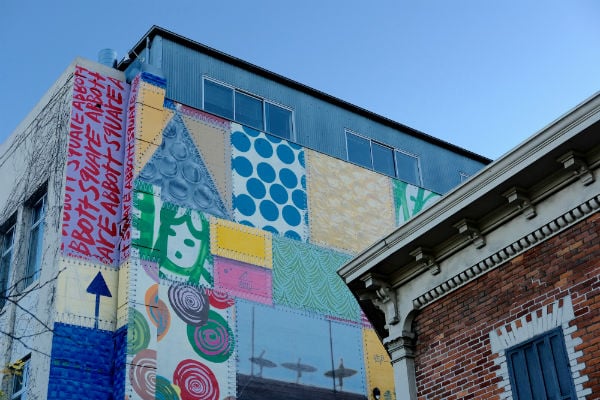
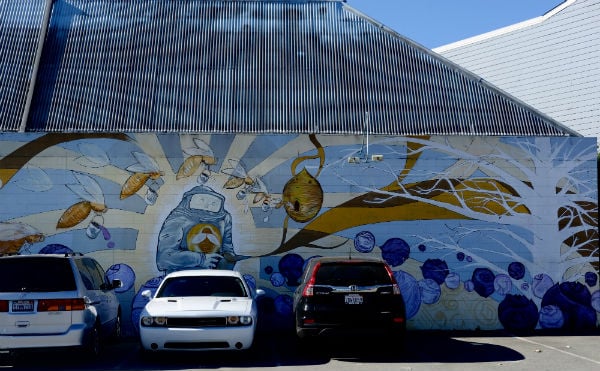
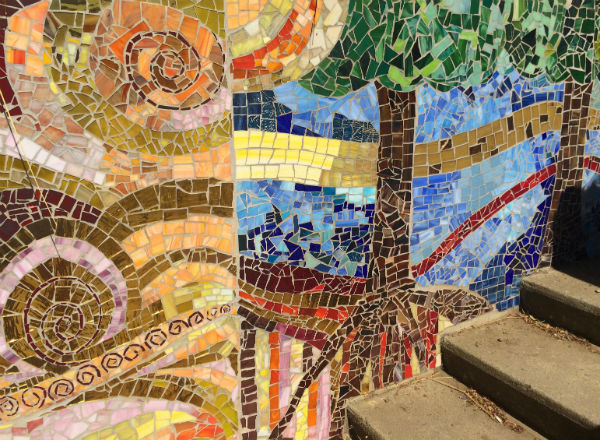

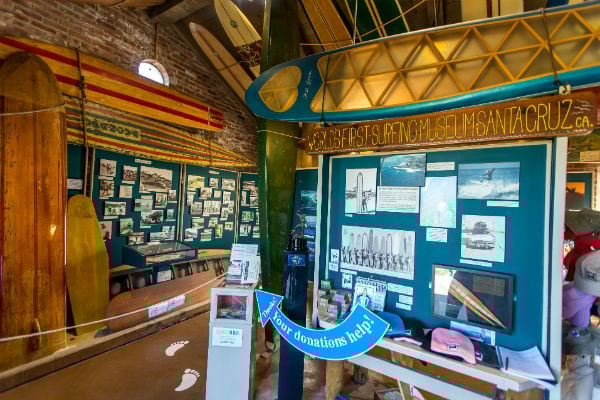
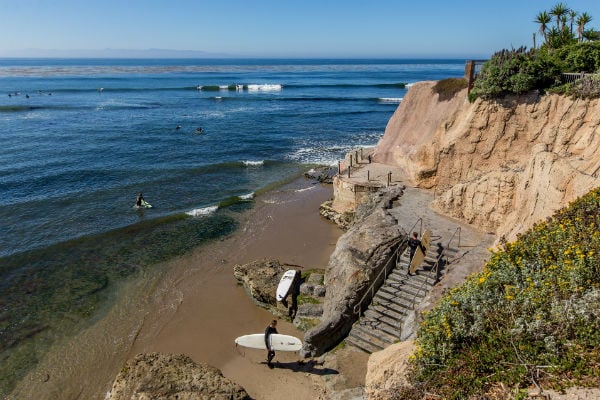
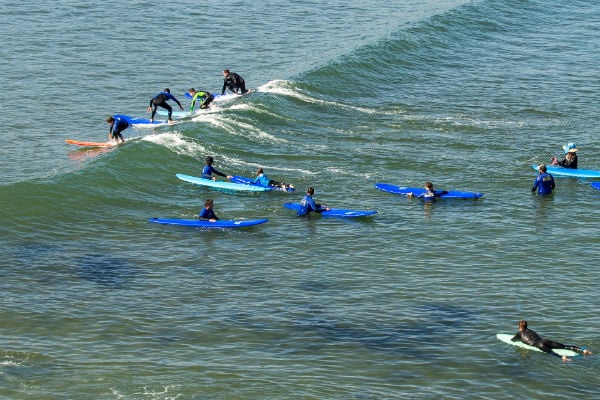
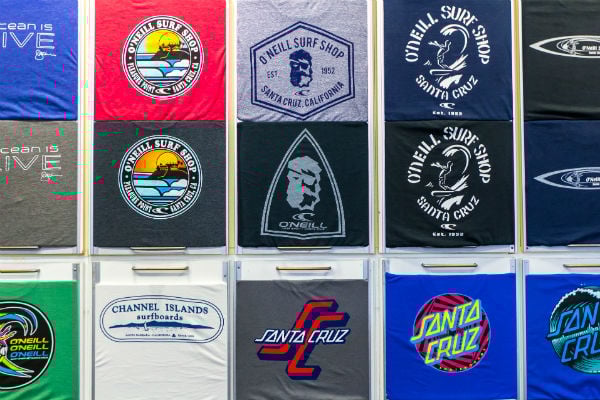
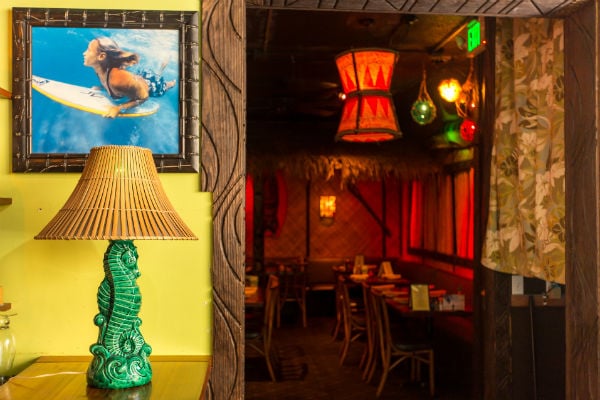
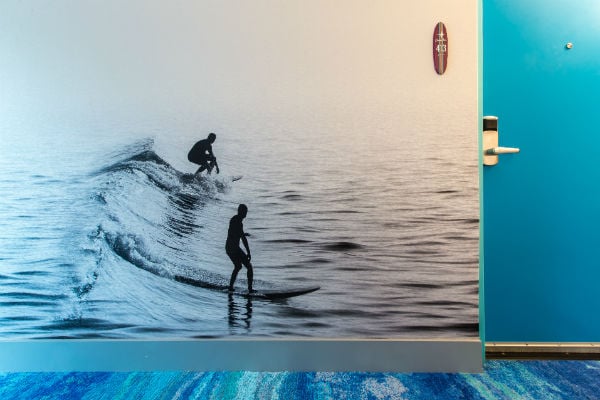
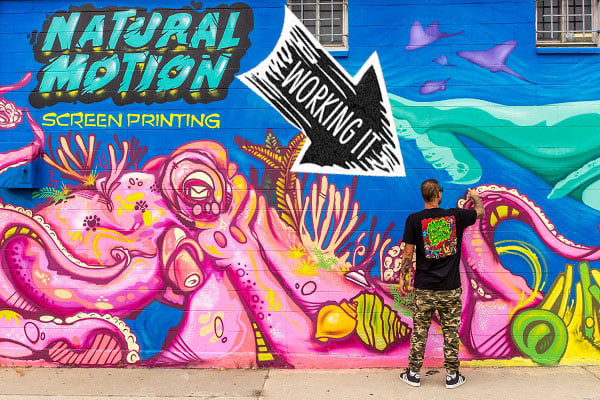
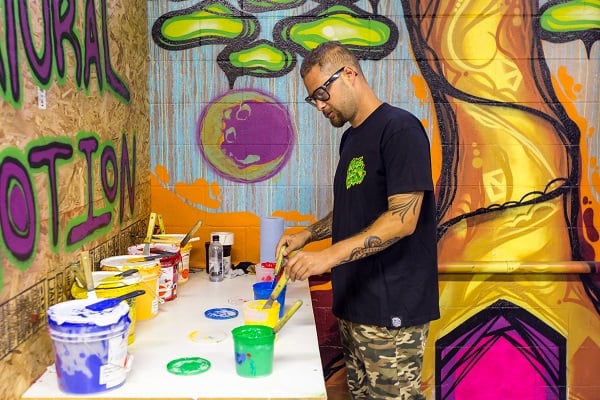
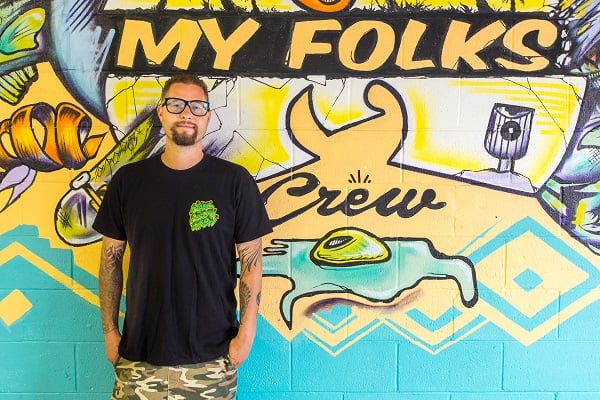
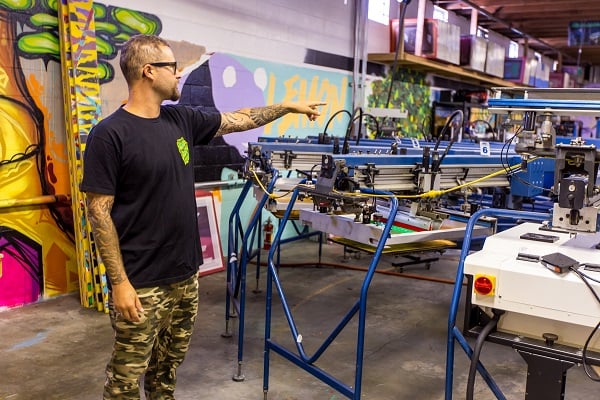
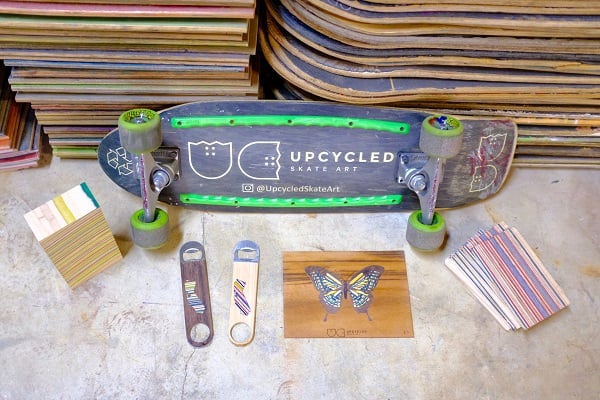
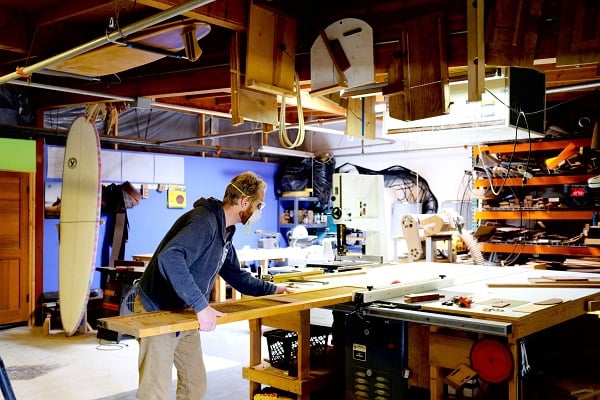 Photo by Molly Ressler
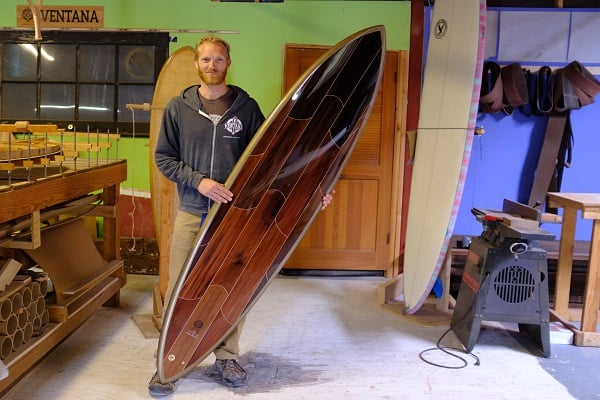 Photo by Molly Ressler
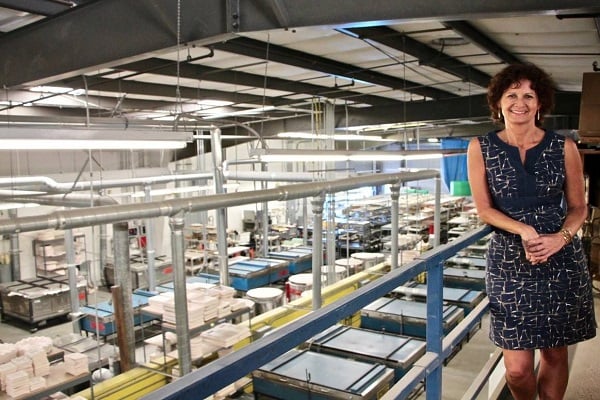 Photo courtesy of Annieglass
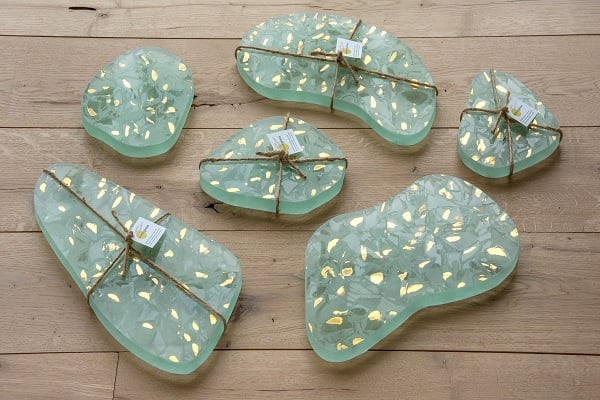 Photo courtesy of Annieglass
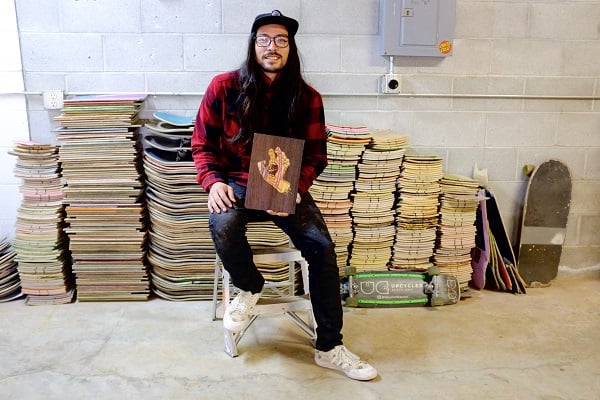 Photo by Molly Ressler
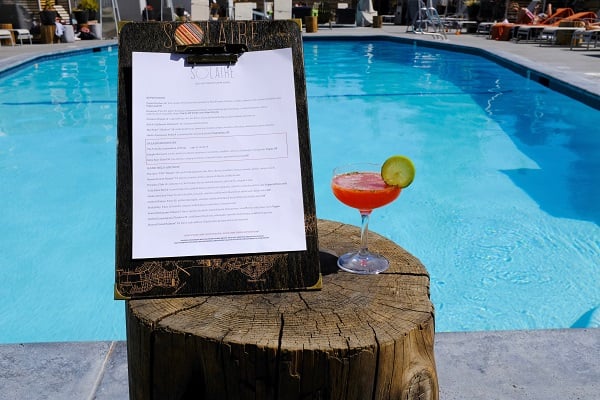 Photo by Molly Ressler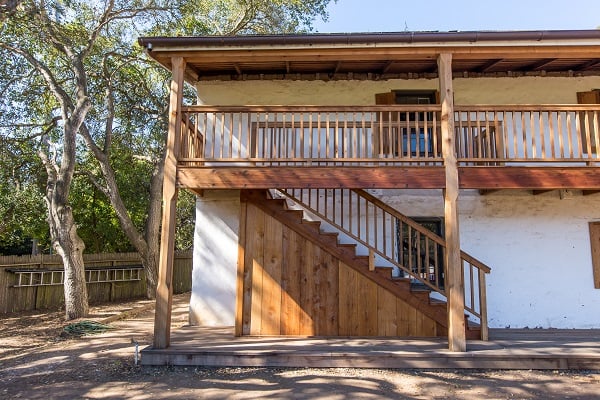
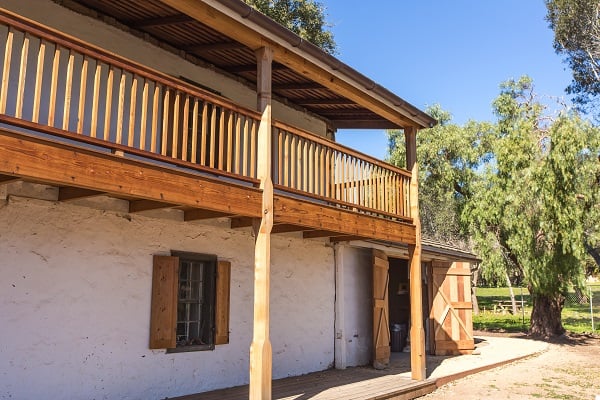
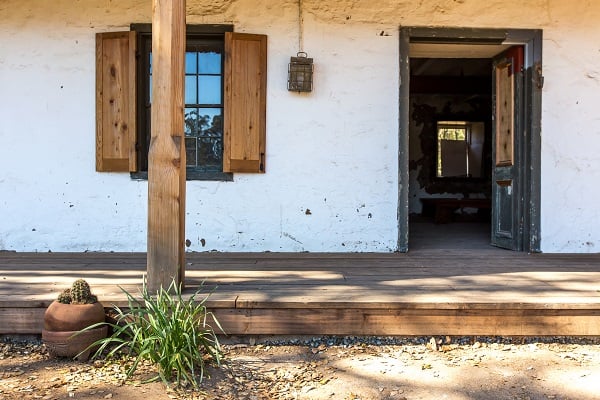
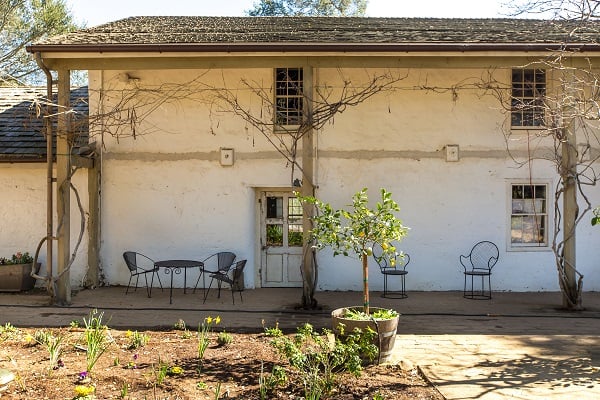
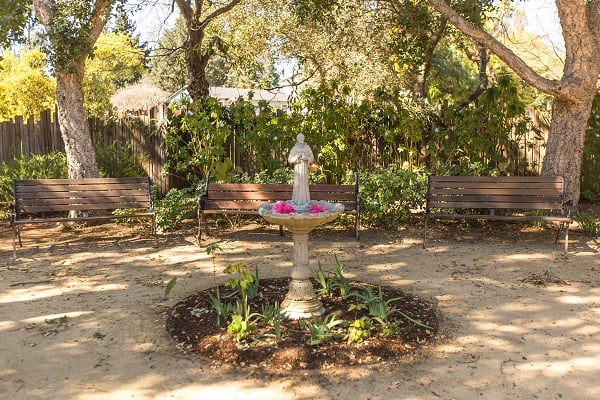
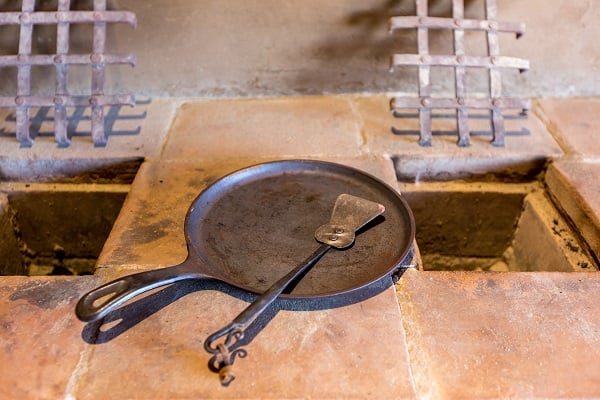
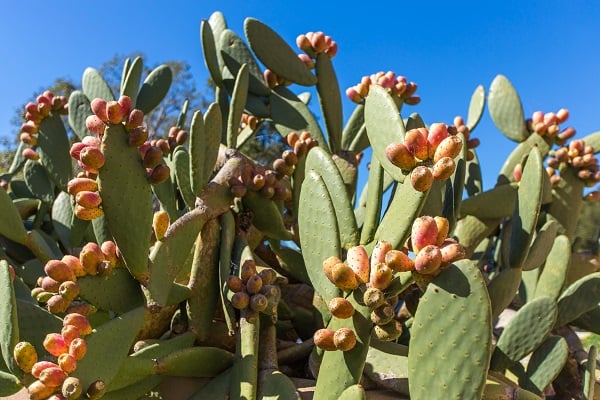
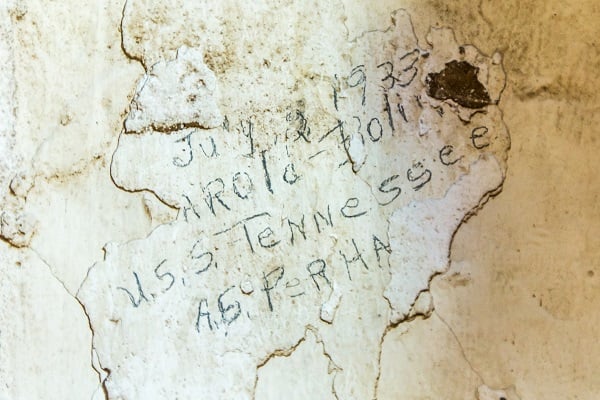
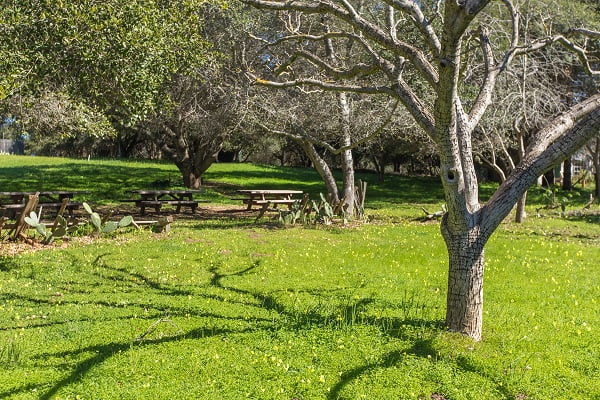
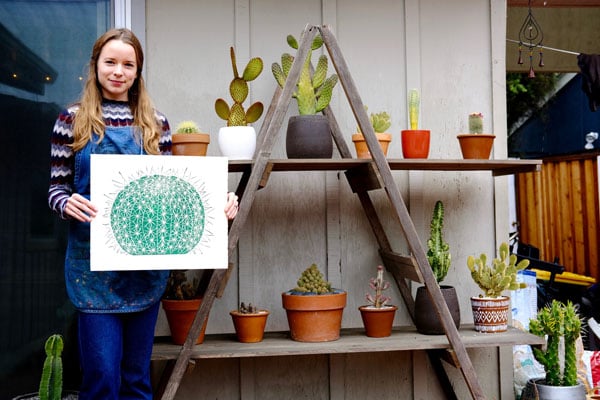
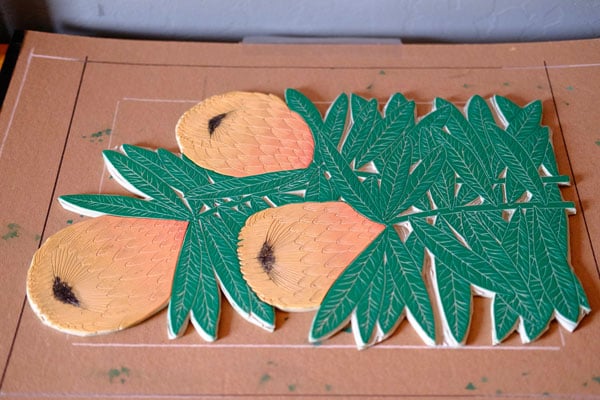 Photo by Molly (Lautamo) Ressler
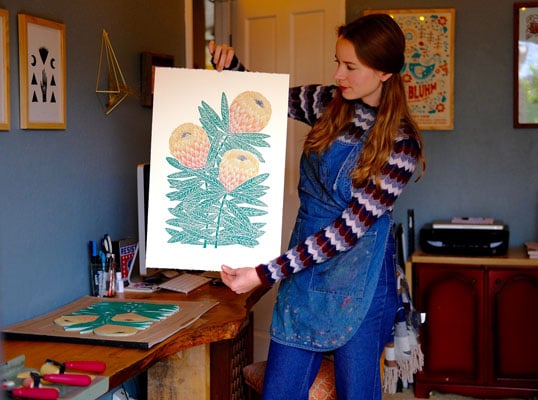 Photo by Molly (Lautamo) Ressler
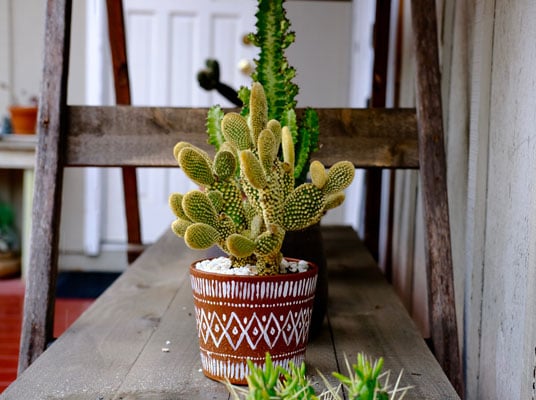 Photo by Molly (Lautamo) Ressler
 @liliarnoldstudios
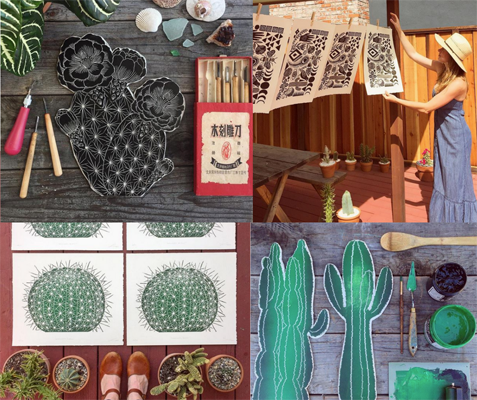 @liliarnoldstudios
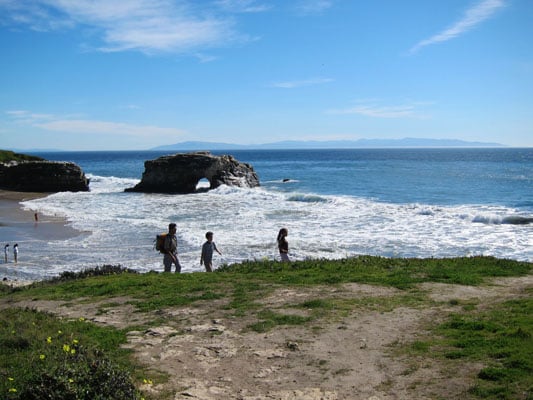 Photo by Molly (Lautamo) Ressler
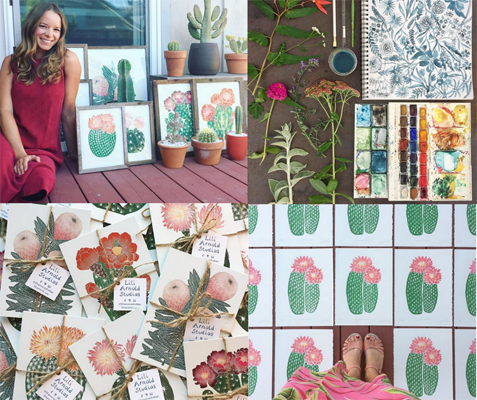 @liliarnoldstudios
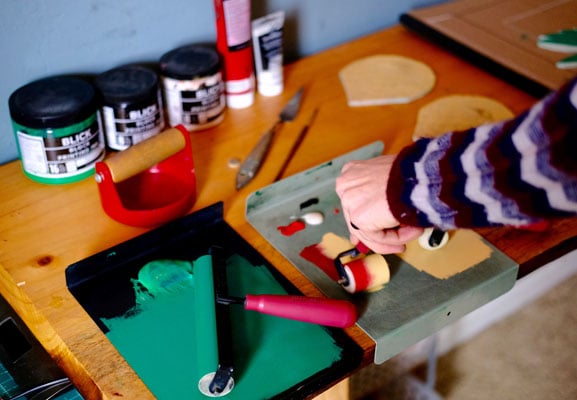 Photo by Molly (Lautamo) Ressler